Branded Caps for Working Teams: Crown, Brim and Closure Details
Understand cap construction, crown profiles, brim shape, fasteners and logo decoration when choosing practical branded headwear.
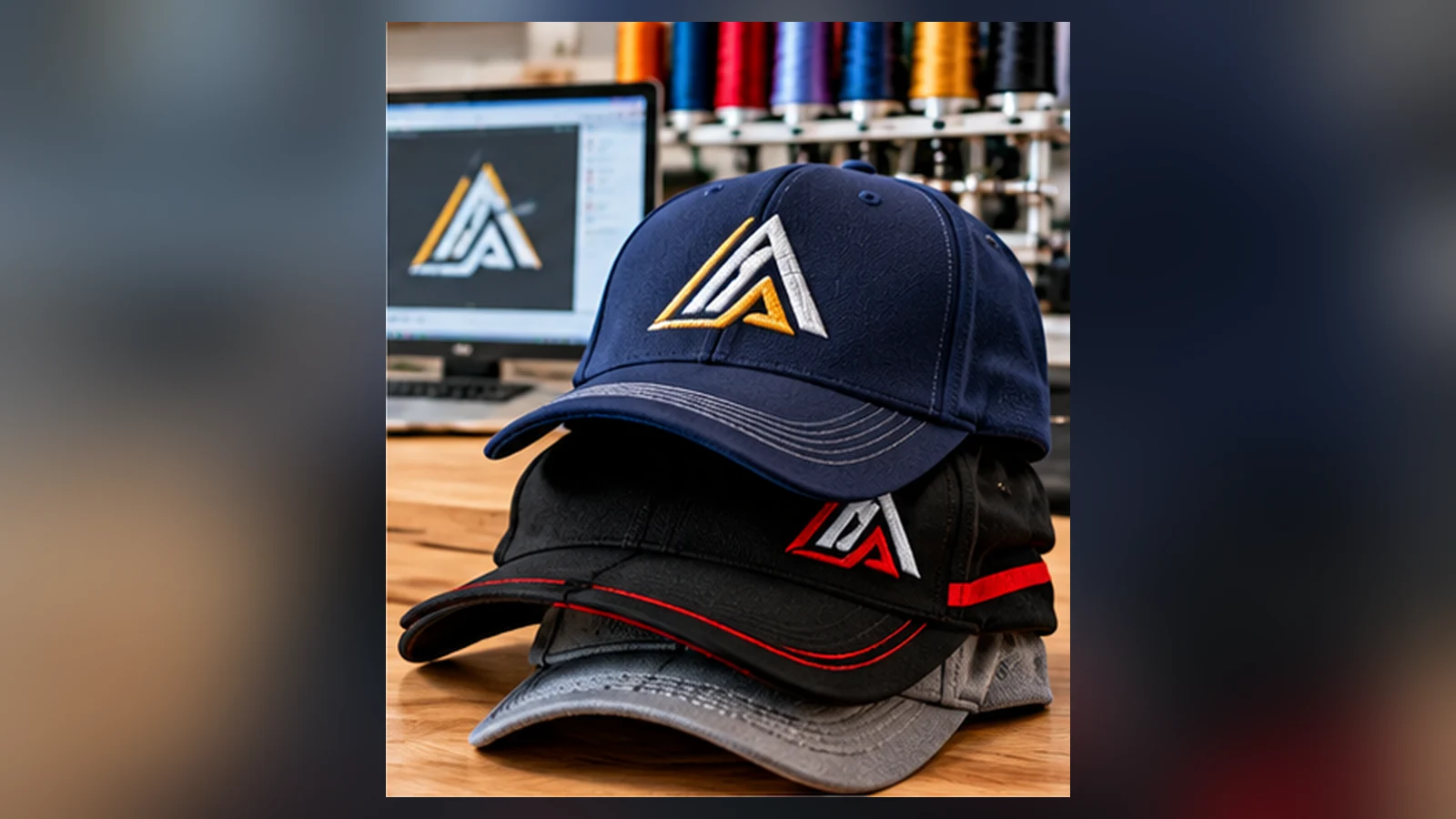
A cap is small compared with a complete uniform, but the details can make it one of the most visible parts of a team’s look. Caps are worn at eye level, exposed to handling and often selected by employees for practical comfort. For Sarawak businesses considering branded headwear, it pays to think about crown shape, ventilation, adjustment and everyday use before deciding how large the company logo should be.
Two caps in the same colour can feel entirely different. A structured crown holds its shape more firmly, while a softer unstructured cap may feel relaxed and pack more easily. Brim length and curve affect shade and appearance. No single construction is best for every wearer or task, so try examples on different head sizes and consider whether hats are optional or required within the uniform policy.
Understand crown structure and panel shape
Caps are commonly assembled from several panels, with seam positions affecting both their shape and the available branding space. A structured front often provides a firm surface for certain embroidery styles, while an unstructured cap has a softer silhouette. Check where the front seams fall if the logo includes fine details or requires a particular orientation. A mark crossing a raised seam can be harder to reproduce cleanly.
Look at crown depth from the side and front rather than trusting one photograph. A shallow fit can feel unstable on some wearers, while a deep crown may interfere with glasses or sit uncomfortably. Ask staff to wear the cap for a few minutes, adjust the strap and move naturally. A visually fashionable shape is not necessarily the most practical one for a working shift.
Check the brim and its real purpose
Curved brims give a familiar casual appearance and can offer shade, while flatter brims produce a different profile. The amount of useful shade depends on brim size and how the cap is worn. Caps do not automatically provide adequate sun protection for every outdoor task, and employers should follow the relevant sun exposure and safety measures rather than treating a promotional cap as complete protection.
The brim also changes where the cap sits and how it frames the logo. A low-brimmed style may visually crowd the artwork. Test the cap with prescription glasses, safety glasses or headsets if those are part of the role. Uniform choices should accommodate required protective equipment instead of making that equipment harder to use.
Adjustable closures and shared sizing
An adjustable strap can simplify a mixed-headcount order, but the mechanism still matters. Metal buckles, hook-and-loop tabs and plastic snap closures feel different in daily use and can affect how quickly staff adjust the fit. Ask whether the closure is easy to operate, secure enough for the task and comfortable at the back of the head.
If caps will be issued individually, keeping a preferred setting is straightforward. Shared caps raise additional hygiene and cleaning considerations. Consider whether a replacement policy is easier than issuing communal headwear. An employee size survey is still useful even when the cap is sold as adjustable, because adjustment ranges are not unlimited and wearer preferences vary.
Keep artwork suitable for the cap surface
Front embroidery is a familiar approach because stitching can look crisp on suitable caps, but tiny text and intricate gradients may not translate well to thread. A simplified emblem may be more effective than trying to reproduce every detail of a full corporate logo. Check the embroidery size against the actual front panel and how the logo sits once the cap is worn, not only while the cap rests on a table.
JCP’s embroidery information provides a reference for stitched garment branding, and the apparel catalogue shows several cap and hat families. When discussing a Uniform Sarawak enquiry, provide artwork files together with closure preferences and the intended staff duties. That helps avoid treating cap decoration as a separate decision from fit and practicality.
Cap purchase checklist
- Intended roles and whether the cap is optional or issued for daily wear.
- Crown shape, panel construction, brim profile and ventilation details.
- Adjustable closure type and fit range for the actual team.
- Logo placement, stitch feasibility and sample approval.
- Washing instructions, hygiene policy and future reorder quantity.
Balance branding with day-to-day comfort
Caps that look bold in a campaign photo may be less comfortable after a long shift. Ask staff to try the design in a realistic setting, especially if they wear headsets, glasses or masks. Ventilation, sweatband feel and the position of the rear adjustment can influence whether the cap stays on comfortably. Do not judge this from a mannequin or a product image alone.
Think about the environments where employees are expected to wear headwear. A cap may be suitable for outdoor greeting or nonhazardous promotional tasks but inappropriate near certain machinery or where other protective headgear is mandatory. Follow workplace rules, and avoid positioning decorative branding in a way that obstructs required equipment. A branded cap is a uniform accessory, not an all-purpose protective item.
Standardise artwork and replacement orders
Prepare a simplified embroidery file with approved colours and a fixed size range that suits the selected crown. Ask for a physical sample showing how the mark looks across the cap seam and when the visor is curved. After approval, retain the thread references, cap colour, closure style and supplier model. These details reduce the chance of receiving noticeably different caps in a later top-up order.
For seasonal campaigns, consider whether the logo is meant to be permanent or whether a neutral company mark will allow longer use. A cap covered in a temporary slogan might be useful for a single activity but become surplus afterward. A restrained, reusable design is often easier to justify as an everyday uniform item when budgets and storage space are limited.
Common questions
Is a six-panel cap always better for embroidery?
Not universally. It depends on seam placement, front-panel support and the artwork. Ask for a sample on the specific cap construction.
Should a logo fill the whole front panel?
Usually clarity matters more than maximum size. Leave enough breathing space around the emblem and check it on the wearer.
Can one adjustable cap size fit everyone?
Adjustment ranges vary. Try the style on a representative group before assuming it will work for all head sizes.