
Corporate Shirts or Polo Tees? Matching Uniforms to Staff Roles
Choose between button-front corporate shirts and polo tees for customer service, office, fieldwork and mixed-role teams.
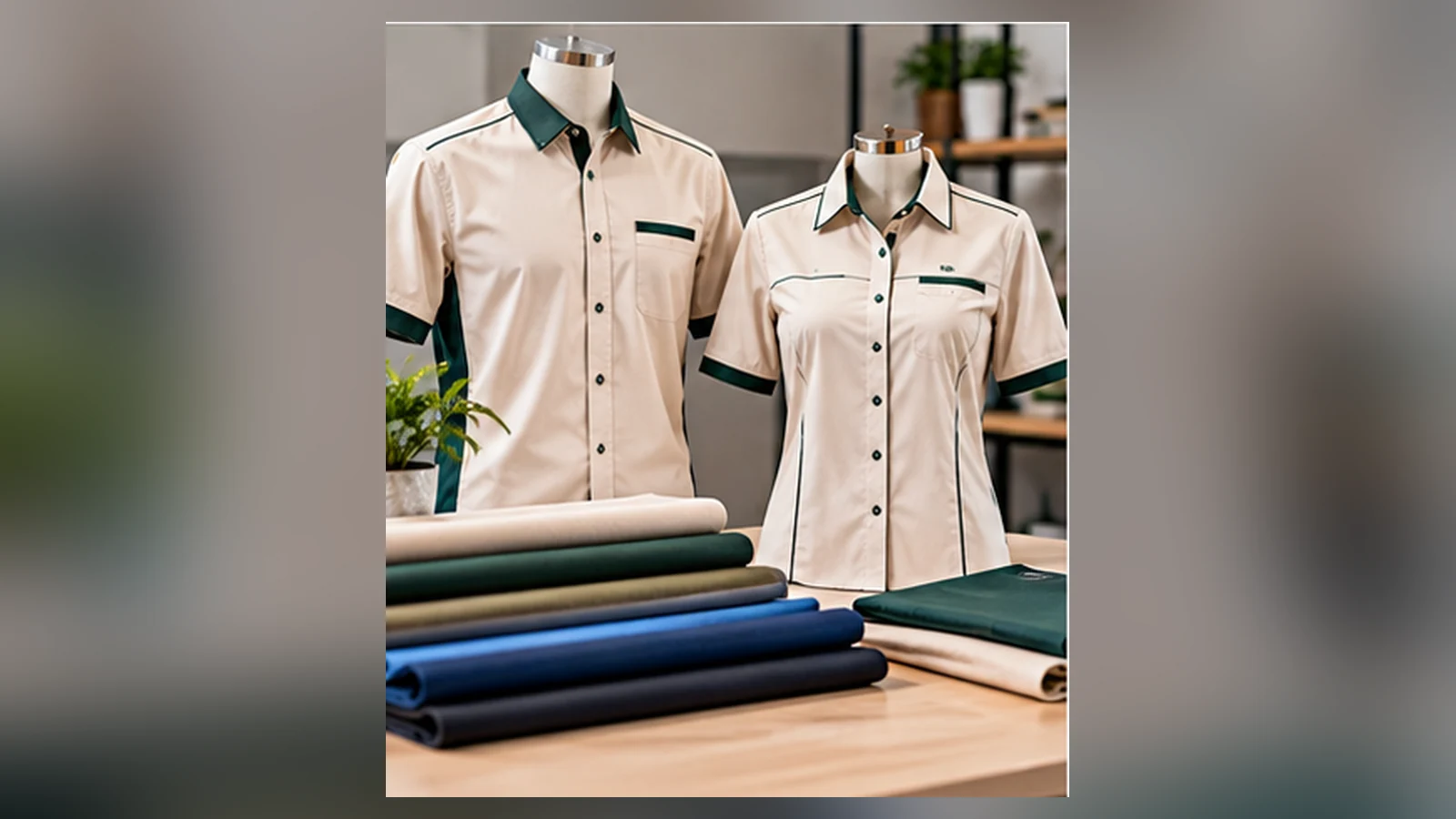
A uniform can make a team recognisable without requiring everybody to wear the same shirt. In many Sarawak businesses, one organisation includes front-desk employees, supervisors, technicians, delivery staff and people who move between these roles. The question is not whether a corporate shirt looks better than a polo. It is which garment supports the work, projects the intended image and remains practical enough that staff will wear it correctly.
Button-front corporate shirts can create a structured appearance for meetings, reception and formal service. Polos may feel less restrictive for staff who lift boxes, travel frequently or alternate between indoors and outdoors. Both can be branded and coordinated through colour, but style consistency is only valuable if the clothes fit real tasks and can be reordered when the team changes.
Decide which impressions matter by role
Customer-facing roles benefit from a uniform that makes employees easy to identify and aligns with the service environment. A formal shirt may suit someone discussing contracts or meeting visitors in an office. A polo may be entirely appropriate for a service desk or showroom where staff are constantly moving. Neither style should be selected simply because another business uses it; start with what visitors expect and what employees actually do.
For mixed departments, consider an agreed uniform family rather than a single garment. Navy corporate shirts and navy polos with matching logo treatment can look cohesive even with different collars. Choose one or two accent colours to carry across styles. This allows managers to maintain a recognisable visual identity without asking field staff to work in clothing designed only for seated office use.
Compare comfort, care and fit
A woven corporate shirt usually has a different fit and movement profile from a knitted polo. Some woven fabrics offer stretch, but others can pull across the shoulders when reaching. Polo knits may move more freely while still feeling warm if their construction is dense. Fibre labels alone do not tell the whole story; fabric weight, weave, garment pattern and ventilation all influence comfort.
Run a short try-on with representative staff before placing the bulk order. Check buttons, sleeve reach, shoulder line and hem length while people move and sit. Washing matters too: if shirts need regular ironing, that adds maintenance work for employees. Some polos require different colour-care routines, especially when trims and logos use contrasting shades. Keep actual care labels in the approved specification.
Branding should look consistent, not identical
The same logo may need slightly different placement on two styles. On a corporate shirt, a pocket, yoke or seam could interrupt the ideal logo area. On a polo, the placket and knit texture influence whether a compact mark will remain clear. Use a consistent visual scale rather than copying one set of measurements blindly from one garment to another.
Embroidery often works for restrained corporate branding, provided fine logo details are suitable for stitching. A ready-made shirt can also be selected first and customised later, reducing design decisions for a small initial order. Browse corporate shirt and polo product examples and compare them with the available embroidery options before requesting an actual garment proof.
Build a sensible uniform policy
A uniform policy should specify which roles may wear each garment, what colours are approved and how replacements are handled. Staff who share duties across teams may need more than one approved style. Use clear reference photos and a size issue record so supervisors are not guessing when new employees start. Small businesses can keep this process simple in a spreadsheet without turning it into a complicated procurement system.
When a uniform family is agreed, ask the supplier to record fabric and colour codes. Brands sometimes update ranges, and a visually similar replacement may not match the original shade or collar shape. Keeping one approved physical sample of each style makes future decisions easier. The Uniform Sarawak site is a natural starting point for discussing the combined look alongside the wider JCP apparel range.
Before you approve the order
- List positions and divide them into customer-facing, office and mobile tasks.
- Decide where a corporate shirt is necessary and where a polo is more practical.
- Test one or two fit samples with realistic movement and layering.
- Confirm colour references, logo sizes and garment care requirements.
- Document acceptable alternatives and the future reorder process.
Calculate what the team needs in everyday use
It is easy to underestimate quantity when planning a uniform rollout. If employees work consecutive shifts and wash clothes at home, a single shirt may not be practical. Build an issue plan from the actual roster, laundering routine and turnaround for replacements. Include relief staff and newly hired employees, then consider whether managers need a more formal option for occasional meetings rather than a separate everyday uniform.
Keep a modest reserve of common sizes without overbuying rare sizes that may remain unused. A simple table of role, garment type, fit and issue count allows the administrator to reorder accurately. This is particularly helpful where a business operates across multiple locations but wants the team to look consistent. Do not treat the same nominal size across different shirt cuts as interchangeable without checking their measurement charts.
Use a pilot before changing everybody's wardrobe
Introduce the proposed shirt combination to a small cross-section of staff for several working days. Ask whether they can sit and reach comfortably, whether the collar stays neat and whether the garment suits their laundry habits. Include people who interact directly with visitors as well as those who spend more time on operational tasks. Their practical comments can expose issues that senior management may not encounter during an office-only fitting.
When collecting feedback, separate fabric concerns from pattern fit and visual preference. Someone may dislike a shirt because the shoulders are tight, not because corporate shirts are inappropriate for their role. Refining the size range or selecting another cut might solve the issue without redesigning the entire uniform. Approve the final sample only after these distinctions are clear.
Common questions
Will mixed shirt styles make a company look inconsistent?
Not if colour, logo treatment and grooming standards are coherent. A role-based uniform family often feels more deliberate than forcing every employee into one garment.
Are polos always cheaper to maintain?
Not always. Maintenance depends on fabric, washing method, finishing and how frequently garments must be replaced. Compare actual care instructions and lifespan expectations.
Can the same embroidery file be used on both styles?
Sometimes, but stitch settings and placement may need adjustment for different fabrics. Approve a sample on each garment type.