
Reflective Tape on Workwear: Placement, Durability and Visibility Checks
Practical guide to reflective elements on factory uniforms and site workwear, including placement, inspections and PPE requirements.
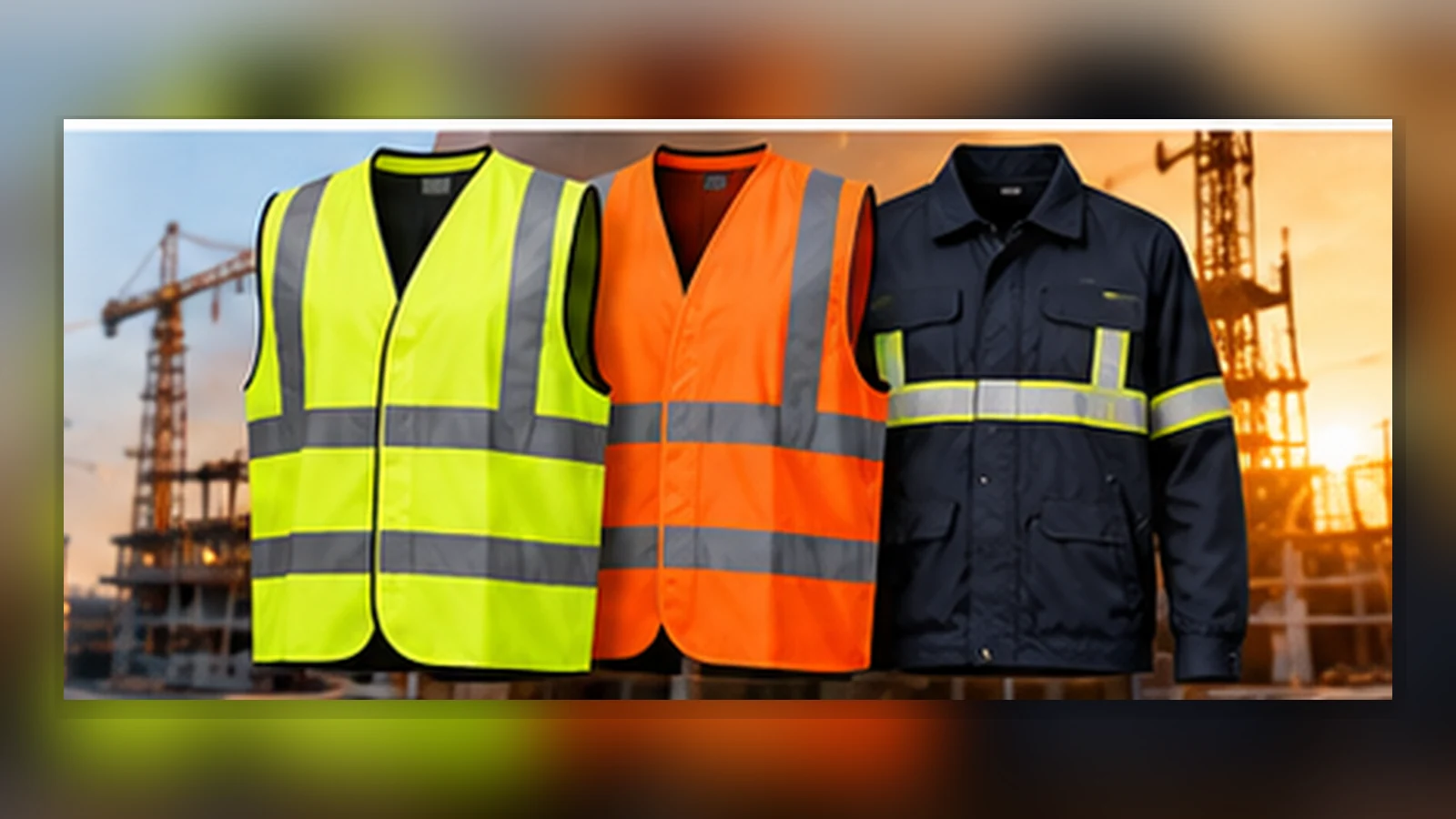
A high-visibility strip on a uniform can improve the likelihood of a person being noticed, but it should not be treated as a complete safety specification. Reflective tape placement, garment background colour, maintenance and worksite hazards all influence visibility. For industrial purchasing, the correct starting point is the employer’s risk assessment and any standards that apply to the role.
Branded workwear can still look coordinated, but company logos should not displace required safety components. Buyers should separate ordinary uniforms with decorative reflective details from certified high-visibility PPE before requesting a quote.
Distinguish trim from certified PPE
A jacket with one reflective stripe may be convenient for team recognition without qualifying as high-visibility personal protective equipment. Certified garments may require particular background materials, reflective areas, pattern arrangements and testing under an applicable standard. A decorative product photograph cannot verify any of those requirements.
Ask the safety officer which standard, performance class and certification documents the job requires. Do not substitute a custom decorative vest for certified PPE merely because both are fluorescent. Keep procurement records identifying the approved model and certification where it applies.
Think in all directions
Reflective material works by returning light toward its source under suitable conditions, but coverage on one side of a garment can leave blind spots. Arms, torso, legs and outerwear layers move differently as workers bend or carry equipment. Design choices must be informed by the site’s traffic routes and actual activities.
Inspect a complete outfit from front, back and side in realistic working poses, without relying on a flash photograph alone. If a worker wears a vest over a jacket, determine which reflective elements remain visible. Required strip patterns should follow the applicable PPE design rather than an improvised aesthetic.
Account for weather and laundering
Outdoor workwear may face rain, mud, dust, oils and heavy washing. Reflective materials can degrade or become obscured, while background fabric may fade over time. The correct cleaning method depends on the certified garment and its care label; excessive laundering or harsh chemicals can affect visibility and any protective performance.
Ask how frequently the garment will be cleaned, who will inspect it and when it should be replaced. A simple log can be useful for uniforms that face unusual wear. Avoid assuming reflective performance remains unchanged just because the silver strip still looks bright under office lighting.
Keep logos and names out of critical areas
A large embroidered logo or transfer can cover a high-visibility panel, make the fabric stiff or interfere with a reflective strip. Brand identity is important, but decoration should be fitted around safety requirements, not the reverse. For certified PPE, any customisation should be approved within the applicable product and certification constraints.
Before production, mark no-print zones and confirm them with the safety lead. JCP lists workwear and reflective garments in its apparel catalogue; buyers should check the actual product specification and certification documents before selecting a style for regulated use.
Include other equipment in the review
Hard hats, gloves, backpacks, tools and vehicle restraints can hide parts of a high-visibility uniform. A worker carrying a large box may temporarily cover the torso. That makes the outfit review more valuable than looking at the jacket in isolation. The safety programme may call for additional controls beyond clothing alone.
Conduct a short site observation and document when workers are hardest to see. Review lighting, vehicle movement and task visibility alongside uniform selection. When someone works at height or near traffic, follow the employer’s safety procedures and professional guidance rather than treating reflective decoration as a substitute.
Set replacement and inspection rules
A uniform may survive as clothing after its reflective performance has become inadequate. Inspect for peeling, lost strips, contamination, fading, damage and poor fit. Any required certified PPE should be replaced according to its instructions and site risk assessment rather than a generic fixed date on a blog.
Record the model, size, relevant certification, issue date and cleaning requirements. When changing suppliers or adding a company logo, re-check compliance. A consistent audit trail makes safety procurement easier than relying on photographs of whichever vest happened to be available last year.
Involve the safety team before design sign-off
Some organisations start with a brand-approved colour, then ask the supplier to add reflective tape wherever space remains. That order of decisions is risky when a job requires certified high-visibility PPE. Put the safety performance and certification review first, followed by permitted branding and then aesthetic preferences.
Document who approved the selected model and what conditions it covers. If a worker changes job role or adds bulky equipment, reassess the outfit rather than relying on the old uniform order. Safety requirements can evolve without the garment looking visibly different.
At a glance
| Option | What to consider | Use or action |
|---|---|---|
| Ordinary uniform | Team identification | Not automatically certified PPE |
| Hi-vis PPE | Specified visibility performance | Verify standard and certification |
| Inspection | Check trim, fabric and fit | Replace damaged gear promptly |
Questions buyers often ask
Does reflective tape automatically make a garment safe?
No. Decorative reflective trim does not automatically meet PPE standards. Check the full garment and required certification against workplace hazards.
Can company logos be added to high-visibility PPE?
Potentially, but only in ways that do not compromise required visible areas or certification. Obtain supplier and safety-team approval.
When should reflective workwear be replaced?
Follow garment instructions, site risk assessments and inspection findings. Damaged, heavily contaminated or ineffective components may require earlier replacement.
Visible, durable workwear is a procurement and safety decision, not just a design choice. Confirm the applicable requirements, inspect complete outfits in realistic tasks and avoid decoration that compromises the intended protective function. Good branding supports professional presentation without pretending to replace a proper PPE programme.
For relevant product specifications and quotation preparation, consult workwear and safety garment selection and uniform enquiries.