
Industrial Workwear: Fabric, Fit and Branding
Choose industrial and facilities-team workwear that prioritises fit, task requirements and suitable branding.
A facilities or industrial support team can require clothing for several working conditions in one day. Staff may move from an office to a loading area, perform physical tasks or work outdoors in hot and wet conditions. A company logo still matters, but the first questions should concern hazards, movement, garment compatibility and care. Branding must not compromise a safety requirement.
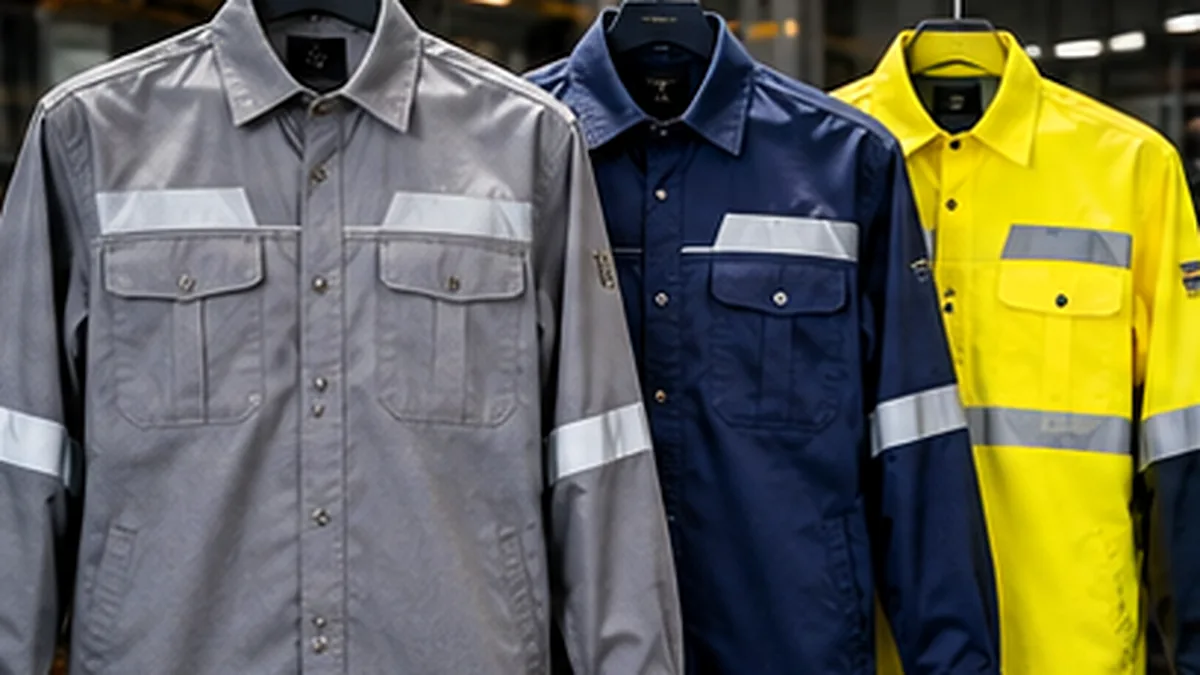
Separate ordinary staff uniforms from protective equipment
A neat corporate work shirt is not automatically personal protective equipment (PPE). If the role involves traffic exposure, machinery, heat, chemicals, electrical risks or other hazards, the employer must determine applicable safety standards and suitable certified protective garments. A decorative reflective stripe does not prove that a garment meets high-visibility requirements.
For non-protective administrative and support roles, comfort, durability and easy care may lead the specification. For higher-risk tasks, involve the safety officer and the relevant workplace requirements before discussing colours or decoration. Never substitute a fashionable jacket for a garment required by the safety assessment.
Choose fabric for movement, care and environment
Look beyond ‘thick’ or ‘quick dry’. A garment needs enough ease for bending, reaching and lifting without the hem pulling up or sleeves catching. Ask to inspect seams, reinforced stress points, ventilation, closures and pocket positions. Too much loose fabric may also be inappropriate near some equipment; fit must reflect the work activity.
Teams exposed to rain may use separate weather layers, but any jacket should be evaluated for the expected weather, ventilation and visibility. Clothing for indoor facilities teams may need a different fabric from outdoor site uniforms, even when the same logo appears on both.
Design identification around the task
A compact chest logo helps identify the company, while a name badge or removable role label can identify the individual. Large prints on garments exposed to abrasion may wear differently from discreet embroidery. On waterproof or protective materials, adding stitching or heat transfers can affect the garment’s intended performance. Confirm with the manufacturer before decorating any item with a specialised protective function.
Avoid adding a logo over reflective material, certified markings or a ventilation feature. If there are standards to preserve, request approval of the branding placement from the relevant supplier or safety representative.
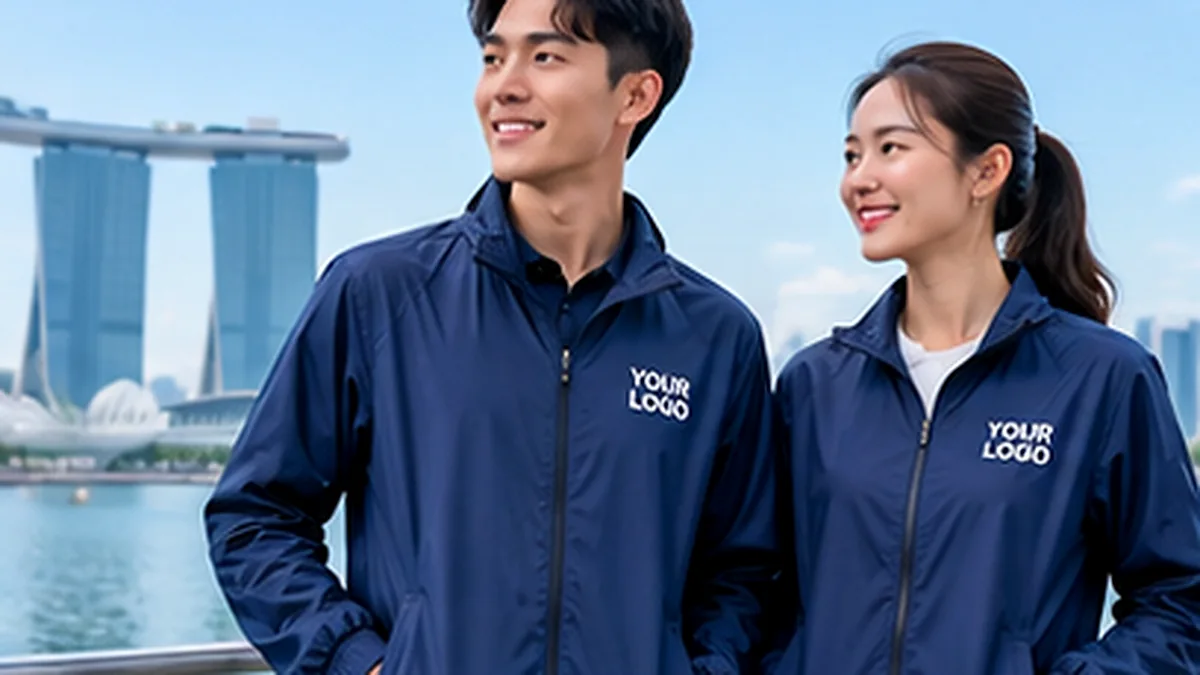
A two-level uniform system
For some teams, it is practical to issue one basic daily shirt and an appropriate additional layer or PPE item based on specific duties. This approach can preserve brand consistency without making every employee wear the same heavy garment. Keep the layers distinct in the ordering and inspection records.
| Role | First specification question |
|---|---|
| Office/facilities coordinator | Comfort, ID visibility and wash care |
| Warehouse support | Fit, abrasion exposure and pocket placement |
| Outdoor field support | Weather exposure and movement |
| Hazard-exposed worker | Risk assessment and required PPE standard |
Purchase and replenishment controls
Record garment model, fabric composition, colour code, size breakdown and decoration approvals. Ask how garments will be inspected on delivery and whether replacements can use the same specification. The company can then compare like with like rather than buying a superficially similar shirt at the next procurement cycle.
Start with Uniform Sarawak’s corporate uniform range and the website home page. For examples of JCP’s ready-made apparel supply and branding methods, see the Oren Sport and customisation overview. Protective garments, if needed, should always be specified separately with qualified safety advice.
Frequently asked questions
Does adding reflective tape turn an ordinary shirt into certified safetywear?
No. Certification depends on the complete garment and relevant standard, not merely the presence of a reflective strip.
Can we embroider a logo on a waterproof or protective jacket?
Only after checking the garment manufacturer’s instructions and any safety-performance implications.
More on JCP services: JCP production methods and material guide. Specific fabric, sizing, stock and lead-time recommendations should be confirmed for your order.