
Custom Jerseys: Plan Names, Numbers and Size Runs
Order custom sublimation jerseys with fewer errors: plan names, numbers, artwork, sizing and delivery checks.
A custom team jersey is both a garment and a list of personalised data. Choosing the fabric and artwork is only half of the job; names, numbers and size assignments can cause expensive mistakes if they are collected through scattered chat messages. A well-organised order begins with one approved design file and one accurate player list.
Decide what the jersey must withstand
A shirt for weekly training may prioritise lightness, ventilation and ease of movement. A competition jersey may also need visible numbers, league-approved design details or sponsor placements. Determine the activity and the organiser’s specific rules before finalising the graphic. If no formal regulation applies, choose legibility and comfort over decorative effects.
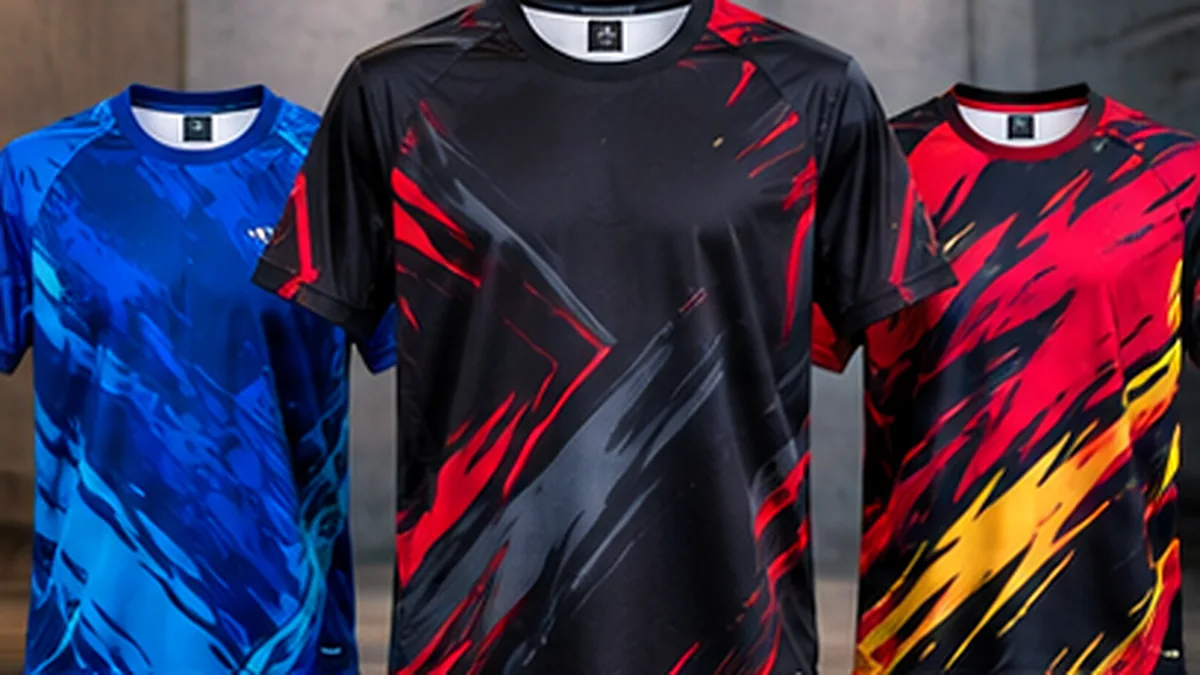
Sublimation is useful for multi-colour designs on suitable polyester material because the image becomes part of the fabric instead of a separate large surface patch. But knit type, fabric thickness and airflow still influence comfort. Ask to handle material samples rather than choosing only by the print illustration.
Build the team list in a spreadsheet
Give every person one row with a reference number, name exactly as printed, jersey number, size and any special instructions. Decide on capitalisation, maximum characters and how initials or punctuation should appear. If two players share the same number by mistake, a structured sheet will make it easier to spot the duplication.
Request written confirmation from the team manager before production. Late changes to an approved name list can affect cost, timing and placement, particularly if individual panels have already been prepared.
Plan contrast for names and numbers
Numbers must remain readable on the front or back as required. Dark text on a detailed dark pattern can disappear, even if it looks dramatic on a monitor. Use a solid contrast zone or a suitably outlined typeface where appropriate. Check the actual back view at a distance and ensure a sponsor logo does not make the player’s name hard to identify.
Avoid placing vital details over seams and curved panel edges. Each customisation should be part of the production artwork specification, not an afterthought.
Treat sizing as a separate approval task
Get the garment’s real measurements and check whether the cut is regular, fitted or designed for additional movement. Ask team members to compare chest and body length with an existing shirt they like. Youth sizes and adult sizes should not be mixed based on size labels alone. For a mixed-size roster, a sample fitting prevents avoidable swaps after delivery.
| Column in roster | Example format |
|---|---|
| Player ID | 001 |
| Printed name | N. RAHMAN |
| Number | 08 |
| Size | M |
| Notes | Long sleeve if available |
Inspect the handover batch
Before distributing shirts, match the final count against the roster and confirm personalisation spelling, size labels and decoration orientation. Ask how replacements or repeat orders would be handled for new team members. Keep the master artwork, colour reference and sizing sheet for the next season.
Discuss jersey construction and design with Uniform Sarawak’s sublimation jersey service. For broader production choices, see JCP’s guide to printing methods. Include the full player spreadsheet when asking for a quotation.
Frequently asked questions
Can every jersey carry a different name and number?
Personalisation is possible subject to the production method and quotation; submit a final approved roster.
Is a 2XL always the same across jersey brands?
No. Compare the actual size chart and preferably a garment sample.
More on JCP services: JCP production methods and material guide. Specific fabric, sizing, stock and lead-time recommendations should be confirmed for your order.