
Canvas Tote Bag Printing: Fabric Weight, Handles and Print Area
Choose practical custom canvas tote bags by fabric feel, gusset depth, handle strength, print space and everyday use.
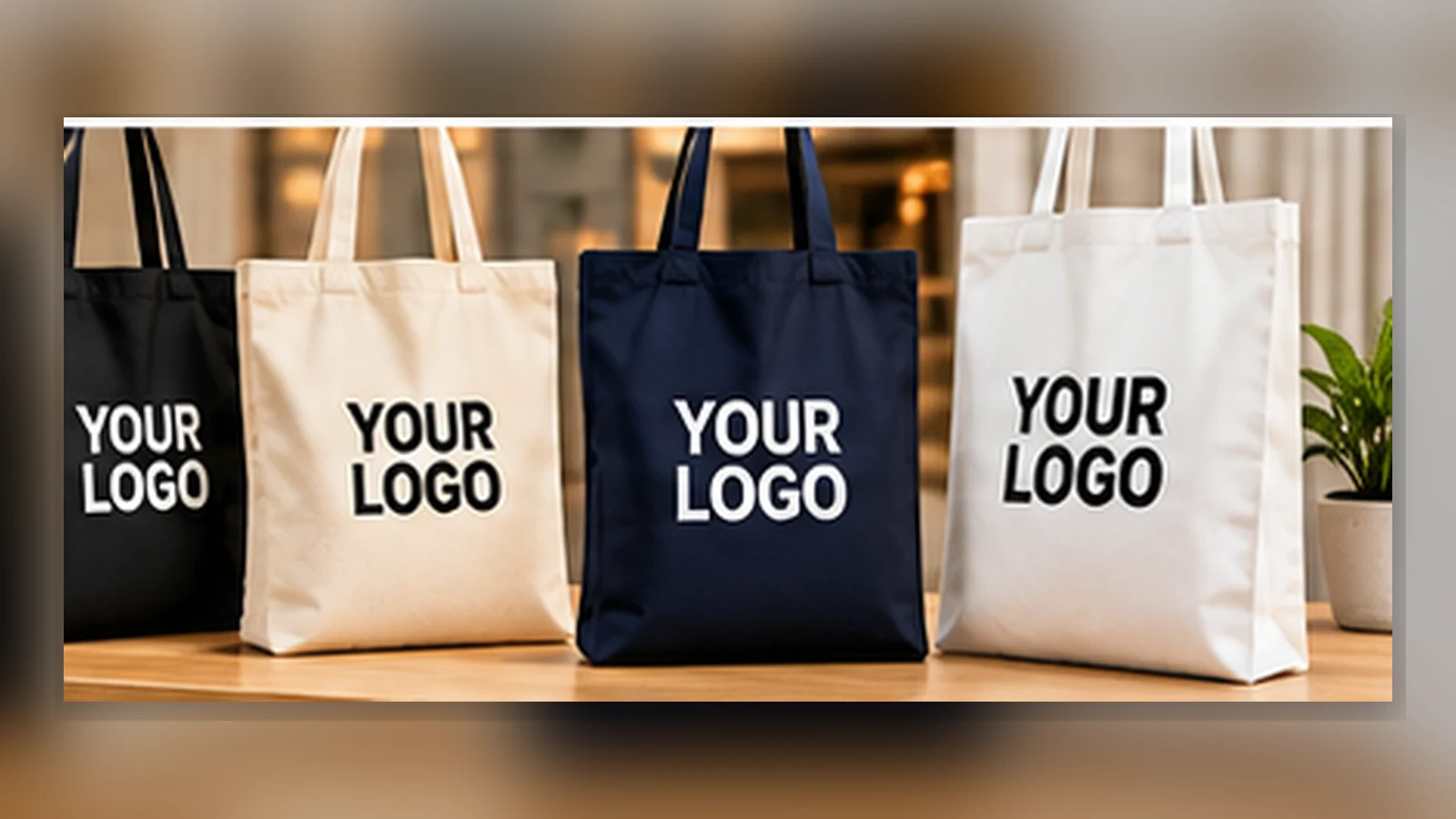
Two canvas totes can carry the same logo and have very different value to their owners. One folds neatly for light errands, while another stands open with a wider base for folders, samples or retail purchases. A graphic that looks spacious on the flat artwork may end up too close to seams once the bag is filled.
A better tote order begins with intended contents and carrying habits. Buyers should assess fabric, construction and the decoration area together, rather than choosing the cheapest blank bag and adding a large logo at the end.
Match fabric weight to the task
Canvas-like materials are offered in different weights and fibre compositions, and the word canvas alone does not describe strength. Lightweight fabric is convenient for foldable giveaways but may show the outline of its contents. Heavier fabric can offer more structure at the cost of bulk and shipping weight. Exact suitability depends on the weave and construction, not just GSM.
Put realistic items inside the sample: catalogues, a laptop sleeve, stationery or groceries, depending on expected use. Check whether the fabric stretches or becomes see-through around corners. A bag used for one-day handouts does not need identical specifications to a recurring shopping tote.
Decide whether a gusset matters
A flat tote is compact and can display artwork well, but it has limited depth for bulky items. A bottom or side gusset creates capacity and can help the bag sit more naturally when filled. Buyers sometimes pay for a wide bag that remains awkward because they overlooked the base construction.
Compare a flat style and a gusseted sample with the same set of items. Note the base width, opening size and how easily products are inserted. If the tote must accommodate A4 documents, measure those documents in a protective folder, not as loose sheets.
Check handles with real weight
Handle length influences whether the bag is hand-carried or worn over the shoulder. Narrow straps may dig into the skin under a heavy load, while oversized straps can look clumsy on a small tote. Attachment stitches and reinforcement deserve as much attention as the colour of the handles.
Fill the sample to an ordinary working weight, lift it repeatedly and check attachment points for strain. Ask staff members of different heights to try it over the shoulder. A giveaway becomes more useful when the handle length fits ordinary movement rather than a carefully posed promotional photograph.
Leave generous print margins
The nominal front panel is not all safe decoration space. Seams, top hems, folds and handle attachment areas can interrupt a logo or artwork. Large full-coverage designs may become distorted when the bag carries irregular objects. For most brand applications, clear margins and a centred motif are easier to print and recognise.
Mark the intended print boundaries on an actual blank sample using removable paper. Check the logo position when the tote is empty and when filled. If the art contains fine lines, discuss the available silkscreen or transfer method with the printer before finalising a large run.
Choose decoration by art and quantity
A single-colour design may suit screen printing in the right quantity; detailed or multi-colour art may call for a different technique. Ink coverage, fabric texture and heat tolerance all affect the final appearance. No method should be selected solely by the number of colours without considering handle clearance and the actual bag material.
Ask for a finished print sample rather than a digital render. JCP’s printing service information includes apparel and branded print techniques that can be discussed for compatible materials, but confirm tote-specific availability and test the exact blank before committing to production.
Consider folding, packaging and aftercare
Reusable bags are more likely to be kept if they fold conveniently, dry properly after cleaning and suit everyday errands. A stiff presentation box may look premium but defeat the purpose of a practical lightweight tote. Decide whether each bag will be delivered flat, folded or filled with other gifts, and cost the packing process.
Write simple care guidance based on the chosen material and print. Avoid promising machine washability without a supplier-tested sample. Check that folding does not place a permanent crease across the logo and that cartons protect the bags from moisture before distribution.
Test the bag as a recipient
Give a blank sample to someone who was not involved in the purchasing decision. Ask them to pack common belongings, carry the bag down a corridor and put it on a table. Watch the bag rather than coaching the user. The exercise may reveal too-short handles, an awkward opening or poor balance when filled.
Once the practical shape is approved, print a small logo trial and repeat the test. The print should remain readable and intact when the bag is creased or carried. A logo that looks attractive only on an empty flat bag may not be a strong everyday branding choice.
At a glance
| Option | What to consider | Use or action |
|---|---|---|
| Flat tote | Light, compact carrying | Limited bulky-item capacity |
| Gusseted tote | Folders and wider products | Check base width |
| Long handles | Shoulder carry | Check strength and comfort |
Questions buyers often ask
What GSM should a tote bag use?
There is no universal ideal. Choose an actual material sample based on contents, handle construction, structure and expected repeat use.
Can I print across the whole bag?
Some constructions allow larger print areas, but hems, gussets and straps create limits. Ask for a printable-area template based on the exact blank.
Should a tote have a zip?
Only if the intended contents justify it. Zips can add security and cost, but a simple open top may be more convenient for event use.
A well-designed tote is a useful object first and a branding surface second. Test the weight, carrying comfort and gusset with real contents, then position the design inside the available print area. Recipients are more likely to reuse a bag that feels right than one chosen entirely for its initial low cost.
For relevant product specifications and quotation preparation, consult custom-printing services and enquiry and sample discussion.