
Reflective Safety Vests: What Buyers Should Verify
Check visibility, fit, reflective tape position, logo placement and site rules before ordering branded safety vests for work teams.
A reflective vest is a work item, not merely a bright uniform. Buyers should separate branding preferences from visibility and protective requirements. The correct vest depends on the task, environment, hazard assessment and any mandatory employer or site standard.
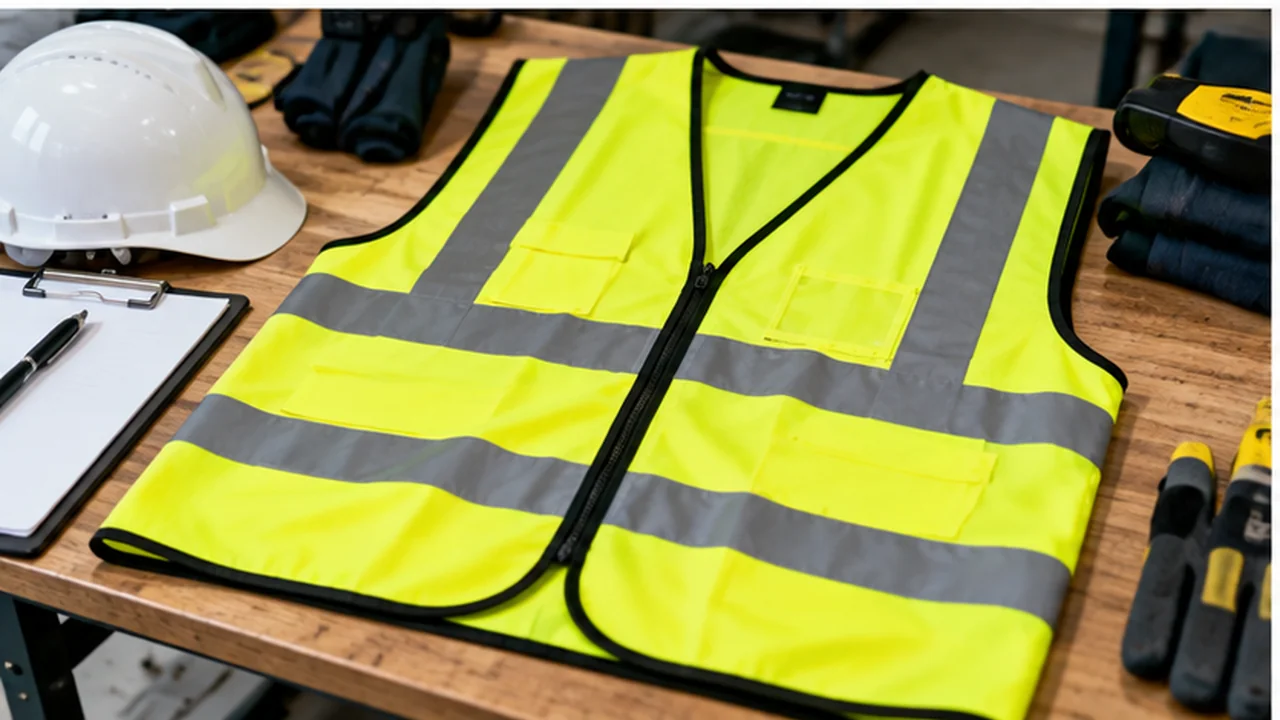
Begin with the site requirements
Confirm where the vest will be worn: a loading yard, controlled premises, roadside work or indoor visitor area can carry different risks. Ask the site safety officer whether a particular recognised standard, colour, reflective area or garment class is required.
A retailer’s general product page is not a certification document. Never infer compliance from a photograph of yellow fabric and silver tape; request official documentation if conformity is essential.
Inspect coverage and movement
Check vest length, shoulder coverage, fastening strength and whether the reflective material remains visible when the wearer bends or carries equipment. Layering over rain gear may require a different size from office clothing.
A “free size” label does not guarantee fit for every person. Where possible, trial the vest over the clothes and PPE staff will actually use.
Keep branding away from critical visibility zones
A small chest logo can aid staff identification, but printed artwork should not obscure required fluorescent or retroreflective surface. Placement and decoration method should be cleared against the product specification and safety policy.
If a logo requires stitching or heat, ask how this affects fabric performance and any certification. Do not alter safety garments before that question is resolved.
Control replacement and stock
Inspect after laundering and heavy use; damaged or contaminated reflective elements may not perform as intended. Maintain clear replacement rules and keep a record of model and supplier so replacement stock is consistent.
Pack garments according to project role and site to prevent an unsuitable vest from being issued just because the colours look the same.
Quick comparison before placing an order
| Decision | What to consider | Approval check |
|---|---|---|
| Visibility | Task and site safety standard | Confirm certified specification if required |
| Fit | Over clothing and PPE | Trial movement and fastening |
| Branding | Small approved placement | Do not cover reflective zones |
How JCP services fit this order
For product specifications and appropriate customisation, review the relevant JCP product or service page. Its process and product examples can help you prepare a clearer quotation request. Availability, method, minimum quantity and delivery should be confirmed for your exact destination and order rather than assumed from a general guide.
See UniformSarawak’s website for the destination brand and its current information. To share the final requirement directly with JC Print & Office, use the official JCP contact page. This article is informational and does not imply an operational Singapore or Sarawak showroom.
Frequently asked questions
Does bright yellow automatically mean compliant hi-vis clothing?
No. Required standards and performance classes vary; check the actual certification and site rules.
Can a logo be placed on reflective tape?
Avoid covering critical reflective material. Get safety approval for the final placement.
Is free size sufficient for all workers?
Not necessarily. Test vest coverage over the intended work layers.
Illustrative AI-generated imagery. Service/product information cross-checked against publicly retrievable JCP pages on 21 October 2026. Images are local ZIP assets; live media URLs shown in HTML are placeholders until upload. Website domains shown above require site-side validation.