
Lightweight Polo Embroidery: Controlling Puckering Before a Full Run
A practical buyer-focused guide that turns a common production problem into checks you can apply before approving a full run.
In This Article
Direct Answer
Understand how dense stitches pull a light knit, then confirm the decision with the real material, final artwork and expected use condition before releasing the full quantity.
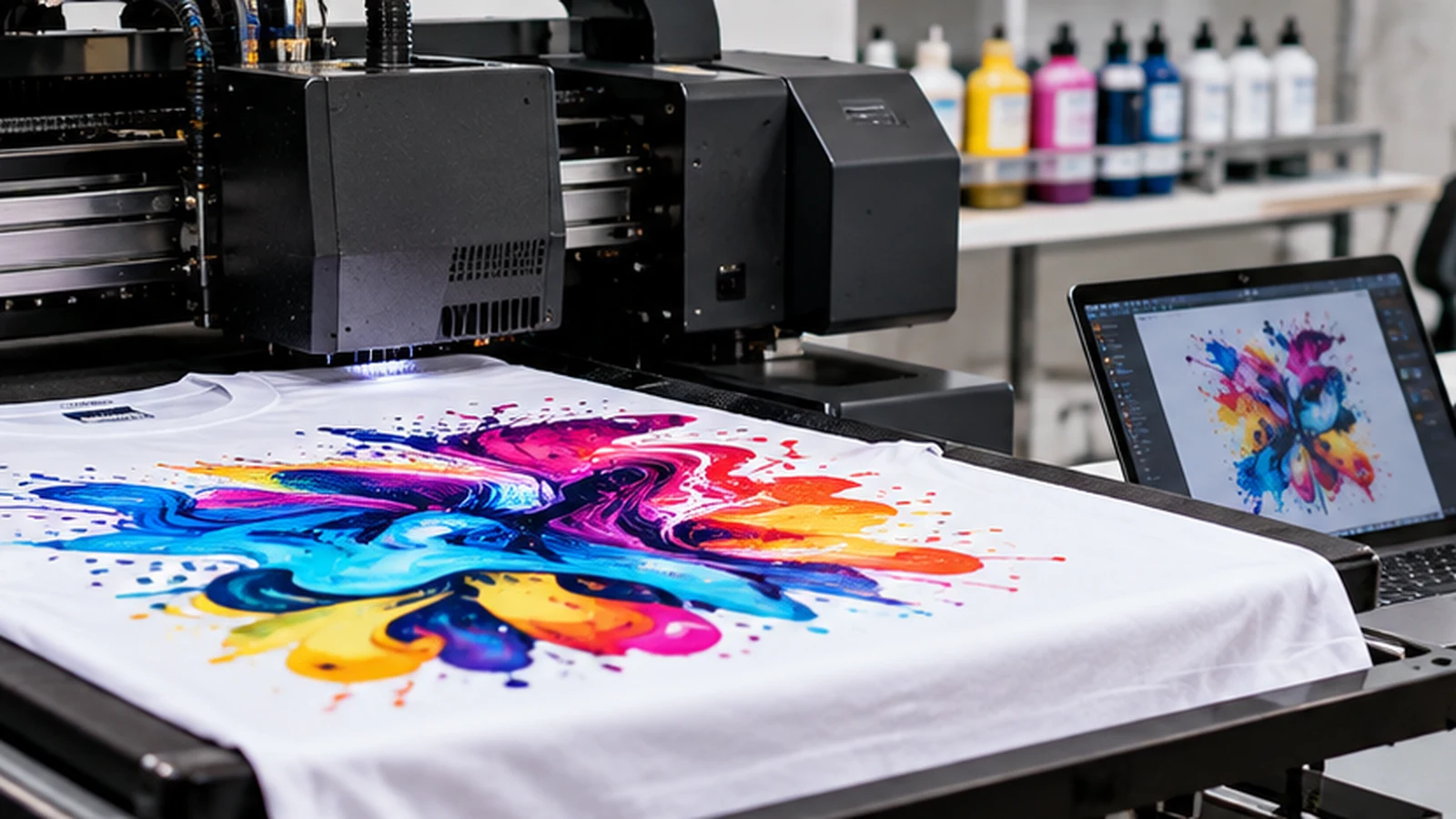
Understand How Dense Stitches Pull A Light Knit
Understand how dense stitches pull a light knit. This matters because a production error becomes more expensive once the full quantity is committed. A useful check is one that can be repeated by another staff member, not a judgement that exists only in one person's memory. Write the decision into the brief and attach the approved sample or file reference. When a change is made, update the master rather than creating an uncontrolled parallel version. That turns a practical preference into a production control.
Match Backing To Fabric Stretch And Logo Density
Match backing to fabric stretch and logo density. Apply the rule to the real use condition rather than a showroom sample. Small differences in handling, material, moisture, stretch or viewing distance can change the result. A short test should reproduce the most demanding normal condition the item will face. Record what passed and what failed so a reorder can follow the same standard. This also gives procurement a reason for the chosen specification instead of relying on habit.
Avoid Stretching The Polo While Hooping
Avoid stretching the polo while hooping. The failure mode should determine the buffer or correction, not a generic percentage. Ask what would make the item unusable, how quickly the problem could be noticed and whether it can be corrected after production. If the answer is no, move that check earlier in the workflow. If the item can be replaced easily, a small spare pool may be more economical than over-specifying every unit. The objective is controlled recovery rather than theoretical perfection.

Simplify Tiny Text Before Digitising
Simplify tiny text before digitising. This matters because a production error becomes more expensive once the full quantity is committed. A useful check is one that can be repeated by another staff member, not a judgement that exists only in one person's memory. Write the decision into the brief and attach the approved sample or file reference. When a change is made, update the master rather than creating an uncontrolled parallel version. That turns a practical preference into a production control.
Wash-Test The Sewn Sample Before Bulk Production
Wash-test the sewn sample before bulk production. Apply the rule to the real use condition rather than a showroom sample. Small differences in handling, material, moisture, stretch or viewing distance can change the result. A short test should reproduce the most demanding normal condition the item will face. Record what passed and what failed so a reorder can follow the same standard. This also gives procurement a reason for the chosen specification instead of relying on habit.
| Checkpoint | Decision rule | Why it matters |
|---|---|---|
| Sample | Use the real material | Exposes production-specific problems |
| Approval | Keep one master version | Prevents conflicting instructions |
| Buffer | Base it on failure mode | Controls cost and recovery |
The useful question is not whether a specification sounds premium; it is whether it solves the actual failure mode without creating unnecessary cost or complexity.
Frequently Asked Questions
Should I test before bulk production?
Yes. A representative sample can expose material, artwork or handling problems before they affect the full quantity.
What belongs in the production brief?
Include quantity, final size or garment model, artwork, use conditions, variable data and the required in-hand date.
Why keep one approved master?
It prevents different versions from reaching production and makes repeat orders easier to verify.
Discuss Your Production Requirements
Share the specification, quantity, artwork and required date so the production route can be checked before ordering.
Contact Us