
DTF Printing on Stretch Areas: Test Movement Before Approving Placement
A DTF print can look excellent while the garment is flat and still feel very different once the fabric stretches across shoulders, ribs or hips. Placement should therefore be approved together with movement, especially on fitted tees and stretchable performance garments.
In This Article
Direct Answer
Place the sample on the body area that will actually move and stretch. A large solid transfer across a high-movement zone will resist fabric extension more than the surrounding cloth, so check comfort, visual distortion and edge behaviour during normal movement before approving the run.
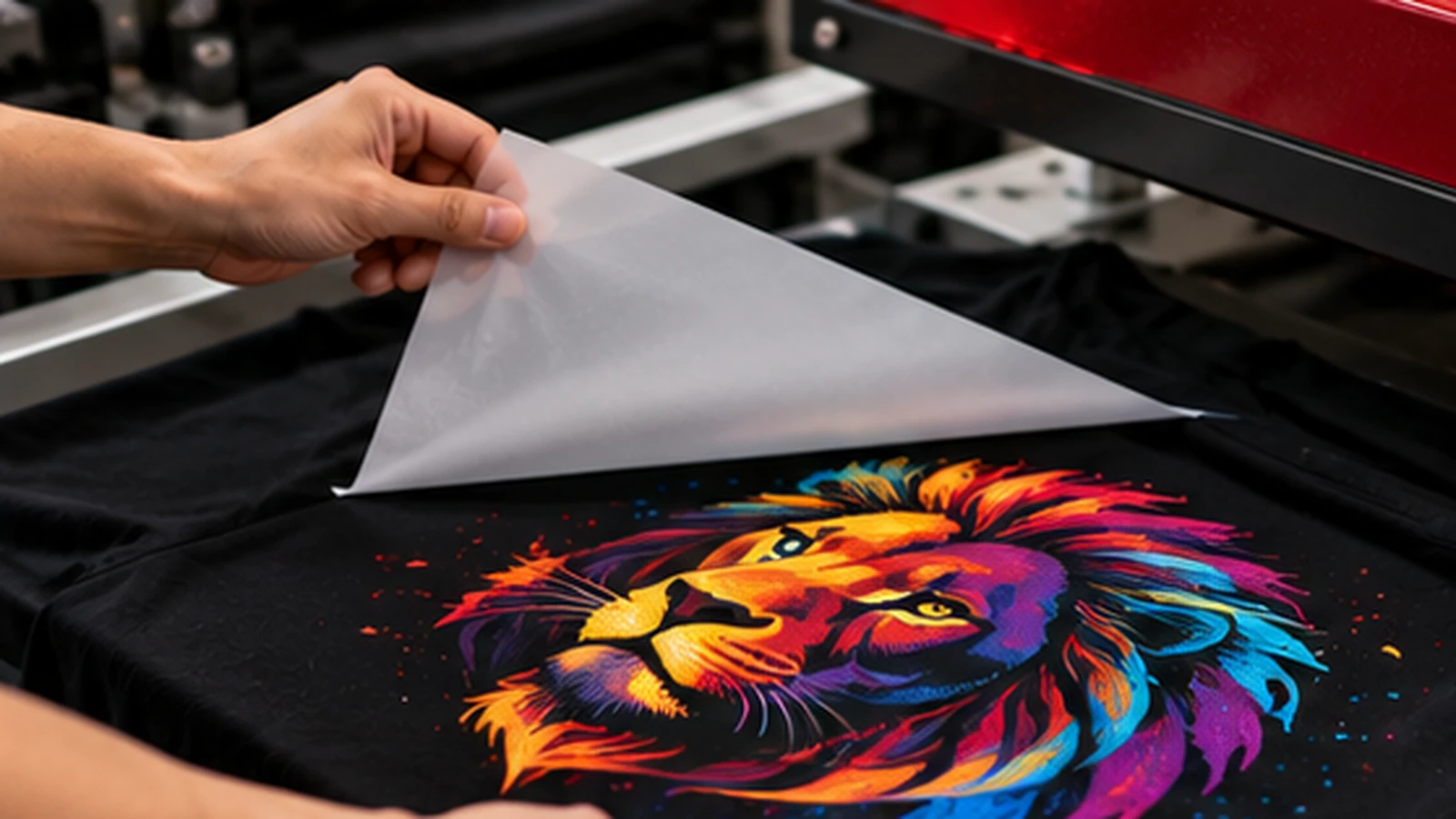
Map the High-Movement Zones
Shoulder blades, side ribs, elbows and areas close to fitted waistlines can experience more extension than a relaxed centre chest. A small left-chest mark may barely move, while a large back graphic can span several moving zones at once.
Ask what the garment is used for. A promotional tee worn casually and a fitted activity shirt may use the same DTF process but need different artwork size and placement because their movement demands are different.
Large Solid Areas Behave Differently From Open Artwork
A transfer with large uninterrupted colour blocks covers more fabric surface than a design with open negative space. The larger covered area can feel less breathable and may resist stretch more noticeably, even when adhesion is sound.
This is a design-and-placement issue, not only a print-quality issue. Breaking a very large graphic into visually open elements can sometimes preserve the design while allowing the garment to move more naturally.
| Placement | Movement Level | What to Check |
|---|---|---|
| Left chest | Low to moderate | Edge clearance and stiffness |
| Centre chest | Moderate | Coverage and comfort |
| Upper back | Moderate to high | Shoulder movement |
| Side / rib area | High on fitted garments | Stretch distortion |
Use a Wear Test, Not Only a Flat Press Sample
After pressing, let the sample cool and cure according to the production process, then put it through normal movement. Reach forward, raise the arms, bend and stretch the garment gently in the direction it will experience during wear.
Look for uncomfortable stiffness, excessive visual cracking during stretch, edge stress or artwork distortion. The goal is not to pull the print beyond normal use; it is to confirm that ordinary movement does not make the placement feel wrong.
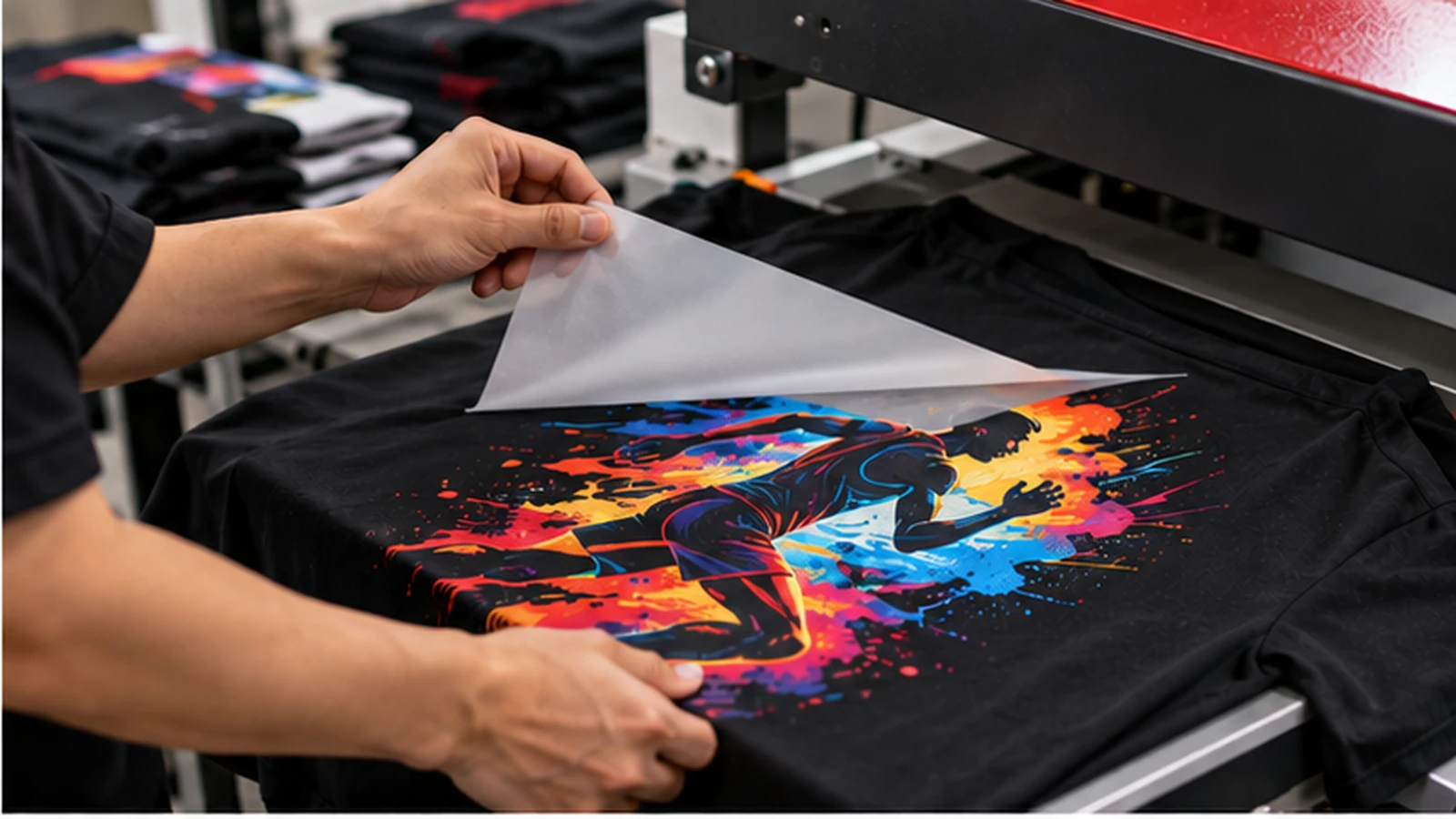
Approve Size, Position and Garment Together
Do not approve a transfer size on one garment and then move it unchanged to a very different cut. A 28 cm graphic can sit differently on a slim tee, oversized tee and fitted sports top.
Record the approved garment model, artwork size and reference position. That turns future reorders into a repeatable production specification instead of another round of visual guessing.
Approve DTF on the body in motion, not only on the heat-press table.
Frequently Asked Questions
Does DTF stretch exactly like the fabric?+
No. The transfer and the garment have different physical behaviour, so very stretchy areas deserve testing.
Is a smaller print always better?+
Not always, but reducing solid coverage can improve flexibility in high-movement zones.
Should the same print size be used on every garment model?+
Not automatically. Garment cut and panel dimensions change how the print sits and moves.
Planning DTF Apparel Production?
JCP can review garment model, print size and placement before a bulk DTF run.
Discuss DTF Printing