
Housekeeping Uniforms for Hotels and Homestays: Comfort, Pockets and Daily Care
Choose practical housekeeping uniforms for hospitality teams with the right pocket placement, fabric, movement and laundering routine.
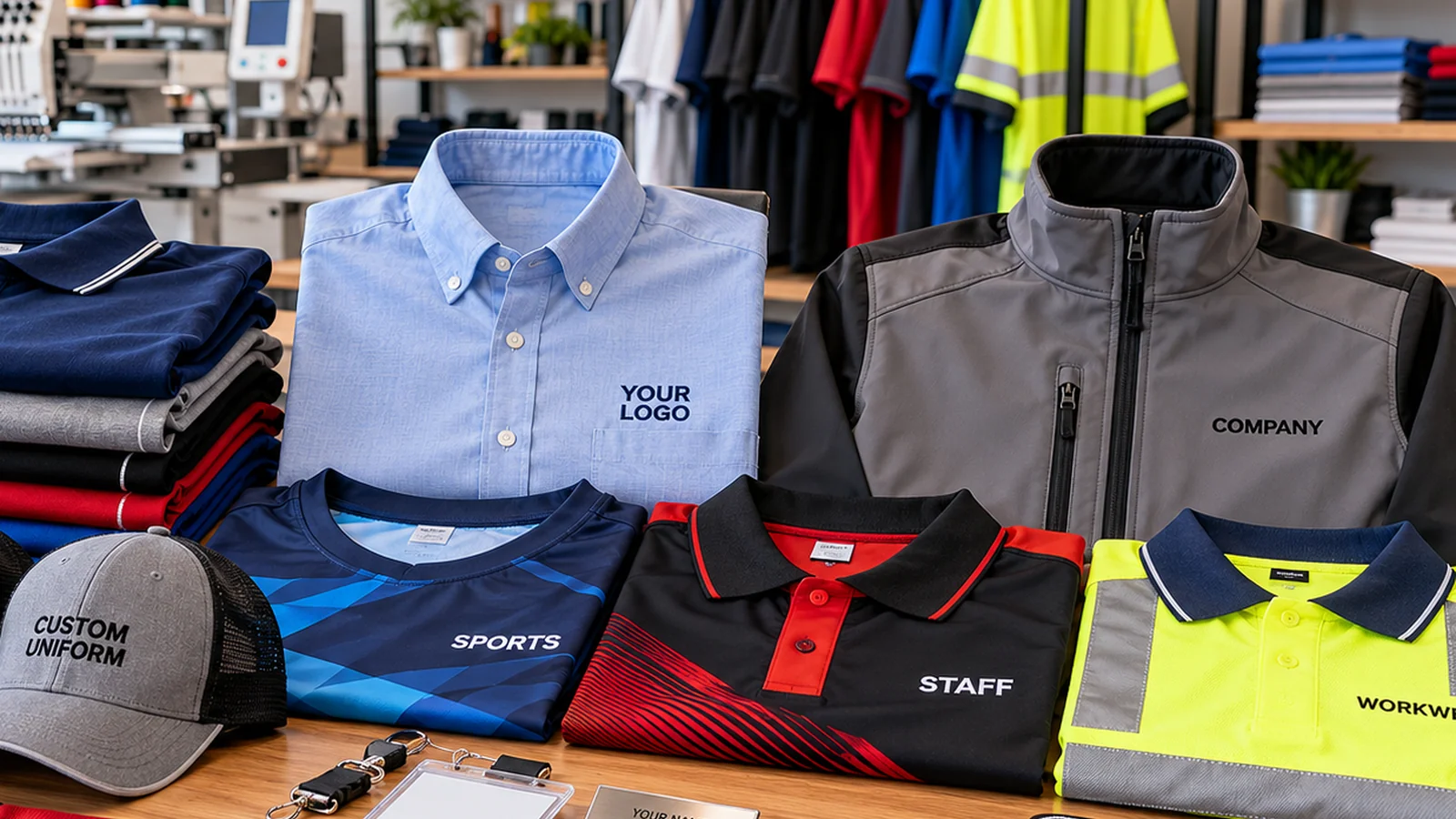
A housekeeping uniform has to look neat at the start of a shift and remain practical after hours of bending, lifting and moving between rooms. Its success depends less on elaborate decoration than on comfortable movement, useful pockets, dependable laundering and a clear division between staff roles. Hotel and homestay operators can make better buying decisions by testing the uniform in the tasks their team performs each day.
Observe the working movements first
Housekeeping tasks put unusual demands on a shirt or tunic. Staff bend to make beds, reach into cabinets, move carts, kneel to clean low surfaces and carry small supplies. A garment that fits attractively while standing may ride up or pull across the shoulders during this work. Before ordering, ask several staff members to wear samples and perform a short, realistic set of tasks in the actual work area.
Check sleeve reach, underarm movement, back length and how the fabric feels during repeated bending. A loose shape is not always safer; excess fabric can catch on equipment or become awkward in narrow spaces. A good fit balances ease of movement with a tidy silhouette. If staff need modest coverage, pay attention to hem length and fastening placement as well as garment width.
Where the property uses seasonal workers or staff who rotate between departments, a clear size and issue register is helpful. Record which garment design was issued and when it is due for replacement. Keep the process simple enough for supervisors to maintain without a dedicated inventory system. That operational visibility can prevent a mixture of discontinued and current uniform styles appearing together in guest areas.
Choose pockets for small tools, not decoration
Useful pockets can keep pens, room lists and small non-hazardous items accessible, but oversized pockets may snag during cleaning. Decide which items staff are permitted to carry and where they can reach them comfortably. A chest pocket may be suitable for a pen, while a lower pocket can help with lists or a compact device. Consider how pocket contents affect the appearance of a lighter-weight garment.
Keep cleaning chemicals and contaminated cloths in approved equipment rather than treating uniform pockets as storage. For hotels using smartphones or key cards, make sure any pocket is secure enough for movement and does not interfere with bending. A pocket mockup is inexpensive compared with discovering after delivery that workers avoid using the feature or that items fall out repeatedly.
Balance coolness with laundering durability
Housekeeping uniforms are washed often, and the fabric may face repeated contact with water, detergents and friction. Look for a combination of comfort, shape retention and care practicality. Lightweight material can help in warm interiors, but fabric that becomes transparent when damp or shows every crease may not be appropriate. Compare a real sample after washing rather than deciding only by the feel of a new garment.
Ask for the exact fibre blend, care instructions and available replacement colours. In facilities with commercial laundry, discuss the wash temperatures and handling methods before buying. The custom uniform and apparel overview explains the company’s apparel capabilities, but each hospitality garment should still be specified for its own fabric, decoration method and intended care routine. Do not assume any stock shirt is suitable for high-temperature laundering.
Use colour to support role recognition
Different uniform colours can help guests distinguish housekeeping, maintenance and front desk teams, but the system should be simple. A common base colour with small trim differences may be easier to maintain than several unrelated uniforms. Dark tones can conceal some marks but may make lint or cleaning powder more obvious; pale colours can look fresh but show spills quickly. Test these effects in the actual environment.
Keep name badges and small logos where they can be seen without interfering with the work. A badge on a loose outer pocket may swing during cleaning, while embroidery on a stable upper chest area can create a neat finish. If different branches need one identity, document the colour reference and decoration dimensions to prevent replacements looking inconsistent.
Consider guest-facing presentation and safety
Housekeeping staff often move between guest corridors and service areas, so the design needs to communicate professionalism without creating distractions. Avoid loose cords, unnecessarily long decorative ties and bulky accessories that can catch on a trolley. If the organisation uses personal protective equipment for specific cleaning tasks, uniform styling should not interfere with that equipment or replace the relevant safety assessment.
For staff who work across indoor and semi-outdoor areas, consider whether an approved light outer layer is needed for rain or air-conditioned rooms. Keep the outer layer coordinated with the uniform but do not assume every fabric is suitable for cleaning-agent exposure. Confirm workplace safety requirements separately from branding decisions, and treat comfort feedback from the staff as a critical part of the selection.
Pilot the uniform for a real working week
A fitting session is useful, but a work trial reveals issues a mirror cannot. Give a small group the candidate uniform, have them wash it according to the planned procedure and ask for structured comments on heat, flexibility, drying time, pocket use and collar comfort. Record the size worn and any alterations requested. It is more productive to capture specific experiences than to ask simply whether staff like the design.
Watch for recurring complaints rather than reacting to one preference. If multiple staff members find a seam uncomfortable while pushing carts, the construction needs review. If one worker prefers a looser fit, a size adjustment may solve it. Pilot findings also help estimate how many spare uniforms are needed for laundry rotation and new employees.
Prepare an order that can be repeated
The final specification should state the style, fabric, colour, size range, logo method, pocket layout, garment length and any gender or modesty variations. Record a sample reference and take photographs of critical details. Check whether the chosen ready-made model is likely to remain available, and ask about alternative styles before a stock gap forces an unplanned visual change.
Delivery should be organised by hotel, department or room block as appropriate, with sizes and quantities clearly labelled. Keep a small reserve for damaged garments and urgent new hires if stock and budget permit. An effective housekeeping uniform programme is measured by how easy it is to wear, launder and replenish—not only by how tidy the initial group photograph looks.
Frequently asked questions
Are dark uniforms always better for housekeeping?
No. Both dark and light colours have maintenance trade-offs; test the choice against real cleaning tasks and guest-facing expectations.
Is embroidery suitable for housekeeping shirts?
Often, when the fabric supports it and the logo is small enough to stay comfortable and neat.
What should be tested before ordering?
Reach, bending, hem movement, pocket access and the fabric after realistic laundering are useful checks.
When requesting a quotation, send the finished quantity, intended use, relevant size or artwork files and any firm deadlines. A clear brief helps the team compare suitable options and avoid unnecessary revisions. For detailed specifications, use the relevant linked service information or contact the printing team.