
Swing Tags and Product Insert Cards: Small-Brand Printing That Feels Thoughtful
Plan apparel swing tags, care insert cards and packaging print by paper stock, hole placement, legibility and brand consistency.
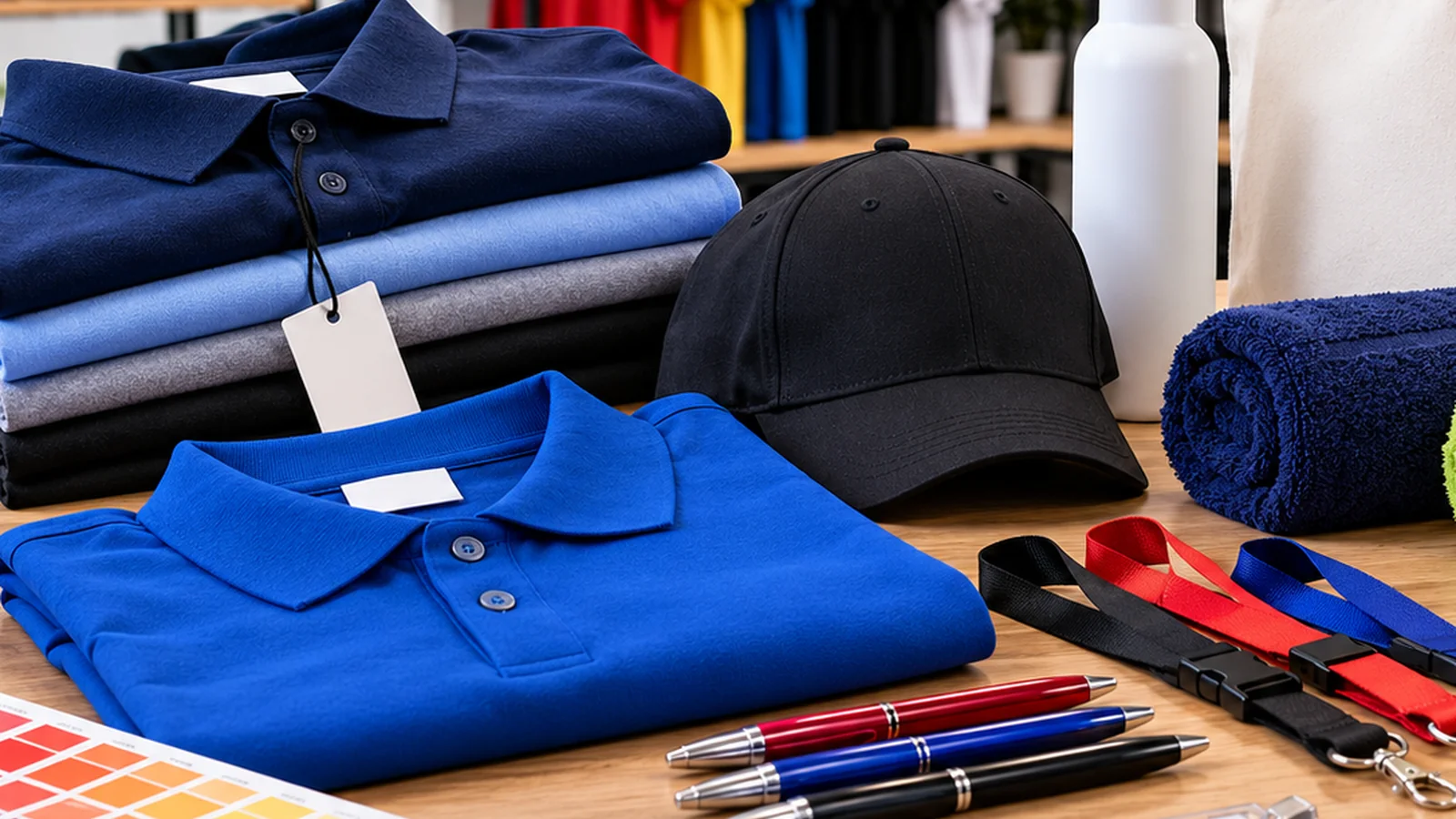
A new clothing label does not need expensive packaging to look organised. A well-sized swing tag, a useful care card and a consistent printed insert can help customers understand the product and remember the brand. The challenge is choosing details that make the buying experience clearer without adding clutter or unnecessary cost to every item.
Give each printed piece a distinct job
A swing tag usually carries the brand and product information that shoppers need before purchase. A care insert may explain washing, storage or the story behind a special collection. An order thank-you card can invite feedback or give a customer-service contact. Trying to put all three purposes on one tiny card creates cramped typography and unnecessary repetition.
Start by writing the information required for each step of the customer journey. Price and size details belong where staff can update them, while stable information such as brand identity can be printed in bulk. If product material or legal-care information varies by item, do not assume a universal insert will remain accurate. The print system should be as organised as the products it accompanies.
A short brand message is often more effective than filling every side of the insert. Explain one useful feature of the garment, one practical care point and a clear way for the customer to get help. If the brand has a long story, link to it rather than printing paragraphs in tiny type. A tag should invite interest without slowing down the shopping experience.
Choose a size that suits the garment
A swing tag attached to a premium jacket can be larger than a tag for a small child’s T-shirt, but scale is only part of the decision. Consider whether the tag catches on adjacent merchandise, covers the product or bends in transit. Rounded corners may reduce sharp edges, while a compact shape can sit neatly on a collar or side seam. Test the actual position with the garment on a hanger.
Paper thickness and finish change the impression of the card. A matte uncoated surface can feel tactile and accept handwriting or stamps, while coated paper may better suit photography or bold colour. Select the finish according to the design rather than treating heavier or glossier as always better. Store samples in realistic humidity to see whether edges curl or scuff.
Check hole, string and trim details
A punched hole too near the edge can tear during repeated handling. It should also avoid critical text and QR codes. Ask how the string, pin or fastener will attach to the product, and whether the store requires a particular security or labelling process. Metallic cords can look decorative but may snag delicate fabric; plain cotton cord may suit a softer presentation.
If several sizes of swing tags are planned, standardising hole placement makes assembly easier. Record finished size, hole diameter, distance from edge and any corner rounding on one proof sheet. This is especially useful when the designer creates attractive artwork but the printing supplier receives no instruction about finishing. An actual punched sample resolves those ambiguities quickly.
Keep QR codes genuinely useful
QR codes should link to a page that helps customers, such as care instructions, product authenticity guidance or a collection catalogue. Avoid sending buyers to a generic homepage with no clear reason to scan. Check that the code scans on a modest phone camera after the tag is printed, curved slightly and viewed in ordinary shop lighting. Decorative QR codes that do not work only add clutter.
Choose a quiet area around the code and ensure adequate contrast with the background. If the destination page is controlled by a third party, plan for the link changing later. On print products that remain in circulation, a simple short URL can provide a fallback. Do not encode personal order data on customer-facing tags unless there is a clear and appropriate reason.
Keep printing economical when styles multiply
Small labels can create unexpectedly large inventories when a brand launches multiple colours, sizes and seasons. Separate universal artwork from variable product information wherever practical. A single common brand card can often be printed in a larger batch, while sizes, barcodes or limited edition names may be better handled on smaller stickers or separate SKU tags.
Before finalising, calculate how many tags each garment uses and how many extras are needed for damaged pieces. A few wasted tags are normal; entire boxes of obsolete designs are not. A simple spreadsheet that tracks version, quantity, product family and reorder date helps protect both the design consistency and the cash spent on printed packaging.
Match print method to version changes
Brands with several collections may change product stories, sizes or seasonal colourways often. Small digital runs can reduce the risk of storing outdated inventory, while larger standard runs may lower the cost per piece for evergreen packaging. The right solution depends on quantity, finishing and frequency of revisions rather than a single headline price.
JCP’s loose-sheet printing page describes printed inserts and card-stock options, while its label-sticker page covers stickers that can supplement paper tags. A practical workflow might use one common thank-you card and small batch-specific labels. Confirm with the printer which combinations are available and whether there are setup charges for multiple artwork versions.
Proof the final pack as a complete product
Place the tag and insert inside or on the actual garment packaging. Check whether colours coordinate with the product, whether the text is readable and whether staff can assemble the pieces quickly. A beautiful card that takes too long to fasten may be unsuitable for a high-volume packing line. Count the number of handling steps as well as the number of printed pieces.
For final approval, provide artwork at the intended dimensions, content version, paper stock, colour sides, finishing instructions and quantity per product style. Label printed files clearly so an old collection name is not reused by mistake. The strongest packaging system is not the most elaborate; it is one that keeps the product clear, the brand recognisable and the fulfilment process manageable.
Frequently asked questions
Should swing tags and care labels repeat the same details?
Only when necessary. Use each piece for a clear purpose and avoid conflicting information.
Can a QR code be printed very small?
It needs sufficient size and contrast to scan reliably after finishing; test the physical proof.
Are inserts suitable for small brands?
Yes, when quantities and version changes are planned to prevent excess outdated stock.
When requesting a quotation, send the finished quantity, intended use, relevant size or artwork files and any firm deadlines. A clear brief helps the team compare suitable options and avoid unnecessary revisions. For detailed specifications, use the relevant linked service information or contact the printing team.