
Employee Welcome Packs: Making Branded Items People Actually Use
Plan practical employee onboarding packs using reusable bags, drinkware, notebooks and printed information without overcomplicating procurement.
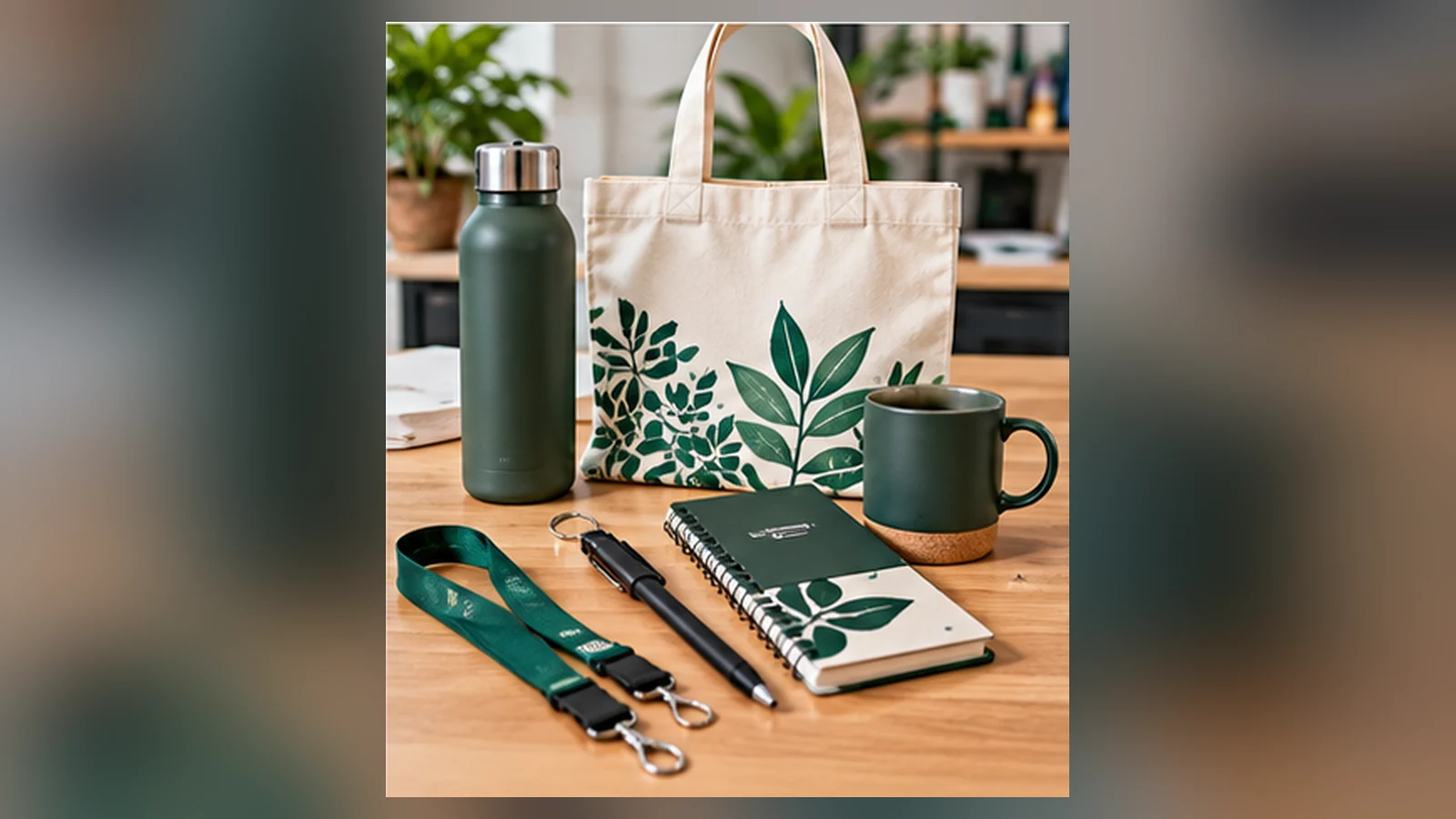
A welcome pack is often the first physical expression of a company's identity that a new employee takes home. The most successful packs are not necessarily the fullest or most expensive. They combine items that someone will actually use with accurate information that helps them settle in. For growing teams in Sarawak, a reusable tote, practical drinkware and a simple printed guide can be more effective than a collection of poorly matched novelty gifts.
The design challenge is to make each item feel related without printing an oversized logo on everything. Choose a clear colour palette, use the company mark at an appropriate scale and let the useful function of each product remain obvious. A compact collection is easier to store and issue consistently when new hires arrive at different times during the year.
Begin with the employee's first week
Ask what the recipient will need in the first few days. A notebook may help during orientation, while a bottle is useful in some workplaces. A tote can carry documents or a lightweight uniform issue, but its dimensions should accommodate what it will hold. Avoid ordering products just because they photograph well in a presentation deck; a pack should make daily routines easier.
Different roles may need slightly different contents. A service employee might receive a name badge and care guide for their uniform, while an office employee may need a desk notebook or orientation folder. Keeping a small common core allows the brand presentation to stay consistent without making everyone carry items that are irrelevant to their job.
Build around a controlled budget
Budgeting should include product cost, decoration, packing material, delivery and spare quantities. A low unit price is not meaningful if each item requires extra setup, special packaging or repeated shipping. Decide the maximum cost per employee first, then choose where a premium finish actually adds value. It may be worth spending more on one durable, everyday item instead of adding several throwaway accessories.
When ordering across departments, agree on a standard base pack and list optional additions by role. This makes stock tracking simpler and keeps replacement packs predictable. JCP’s promotional and business printing services span several related formats, so it is useful to ask how production and artwork setup can be coordinated before placing fragmented orders with different specifications.
Keep the design system consistent
A bottle, notebook and tote have very different surface sizes and textures. The same large print cannot be applied to every object without adjustment. Set a clear primary logo, one-colour fallback and optional small tagline. Use contrast that works against the actual product colour. A simple design often reads more professionally than a crowded treatment featuring every company slogan at once.
Proofing is especially important on curved drinkware and textured bags. Ask to confirm placement area and decoration method for each material. If the welcome pack includes a lanyard or badge, review it alongside the staff uniform so the employee's identity pieces do not clash visually. Keep artwork files and finish notes together for future repeat orders.
Make printed information genuinely helpful
A welcome note can be warm without becoming a lengthy brochure. Include where to find the employee handbook, who to contact, and how to request uniform replacements or equipment assistance. If the pack uses QR codes, verify they point to stable company resources and do not expose confidential information. Version-control printed guides carefully so new hires are not handed outdated office addresses or policies.
Cards or booklets should be sized for the actual bag or folder, not designed in isolation. If you anticipate policy updates, shorter print runs may be more sensible than ordering a year's worth of dated inserts. The JCP loose-sheet printing overview is useful for understanding format flexibility, while Uniform Sarawak provides a route to discuss complementary branded apparel and accessories.
Simple purchasing checklist
- Number of new starters expected and how often packs are issued.
- Items employees will genuinely use during the first month.
- Per-person budget including decoration, packaging and delivery.
- Logo files, item colours and a consistent proofing checklist.
- Owner for printed-policy updates and stored spare stock.
Consider storage, packing and handover
A welcome pack may sit in storage for several months before someone receives it. Products should be chosen and packed with that reality in mind. Avoid materials that are easily dented, discoloured or damaged in heat and humidity, and use protective sleeves for printed documents when appropriate. Keep the box or tote shape simple enough that administrators can restock it without special equipment or extensive training.
Choose a handover process that makes the pack feel personal without creating unnecessary work. A short note signed by a manager or a welcome checklist can be meaningful even when all physical goods are standard. If each employee receives a different uniform size, place that garment in a separately labelled package rather than mixing it into identical stock packs where mistakes are harder to catch.
Measure usefulness instead of guessing popularity
A few weeks after issuing packs, ask new employees which items helped them and what they did not use. This does not need to be a formal survey; a short onboarding feedback question is enough. Look for repeated comments about tote size, bottle handling or whether the printed guide was easy to follow. Use the answers when purchasing the next batch rather than assuming the most expensive item was the most appreciated.
Evaluate the pack as part of the overall employee experience. A useful pack given late can feel less thoughtful than a modest pack ready on the first day. Reliable distribution, current information and a coherent visual identity generally matter more than decorative packaging. Small improvements to timing and clarity can provide value without increasing the merchandise budget.
Common questions
Should every item have the company logo?
Not necessarily. A coordinated colour palette with one or two well-placed marks can feel more thoughtful and less promotional than repeating a large logo on each surface.
Is a gift box better than a tote bag?
A gift box may present nicely but a durable tote provides ongoing utility. The better choice depends on contents, budget and how the pack will be handed out.
How many spare packs should we keep?
That depends on turnover, storage and reorder lead time. Keep a modest buffer informed by hiring plans rather than an arbitrary large surplus.