
UV DTF Stickers for Bottles and Merchandise: A Practical Branding Guide
Learn when UV DTF stickers suit custom bottles, rigid gifts and packaging, and how to choose surfaces, artwork sizes and handling methods.
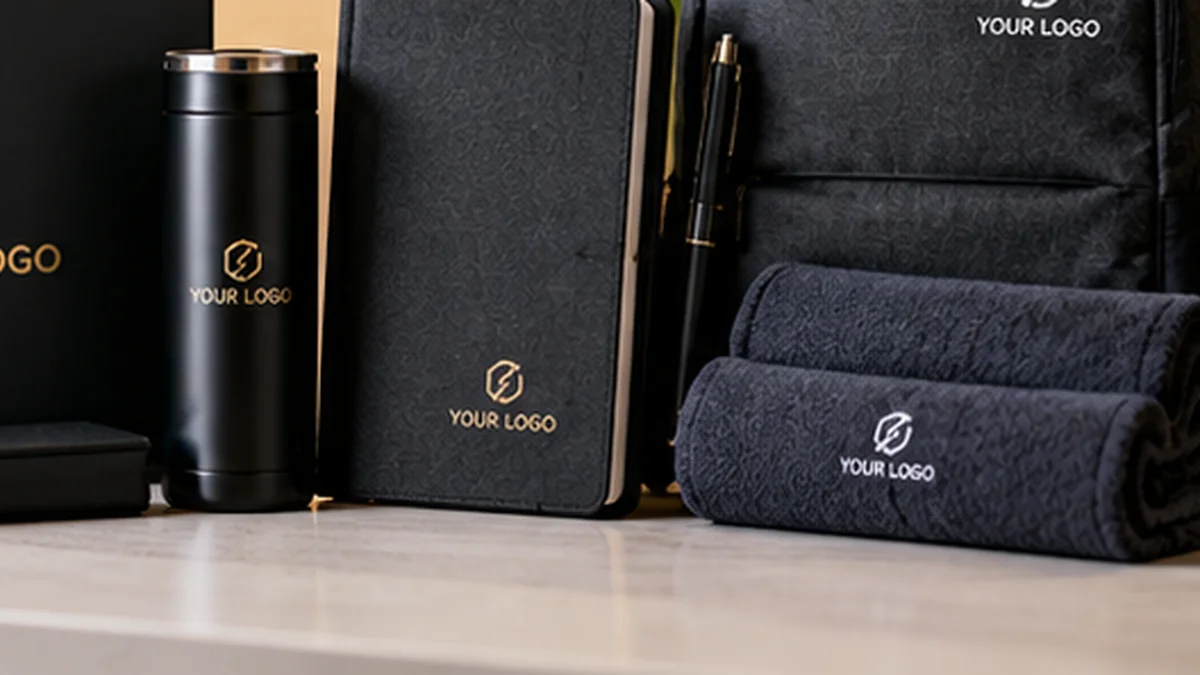
A reusable bottle can carry a company logo long after a campaign ends, but not every decoration method behaves the same way on curved or frequently handled surfaces. UV DTF transfers offer one option for applying detailed, full-colour branding to many rigid items without printing directly onto each object. The result can be attractive, yet the surface material, transfer shape and intended care routine all matter as much as the artwork.
For teams arranging employee welcome gifts, retail merchandise or customer appreciation packs, the most useful question is not simply whether a design can be printed. It is whether the decoration will survive the way people handle the object, and whether the finished item can be produced consistently across a batch. A short material test is more valuable than an unrealistic promise that one sticker works on everything.
Understand what UV DTF transfers actually do
UV DTF is commonly used to create a printed graphic on a transfer film that is then applied to an object. Unlike heat-transfer graphics intended for fabric, these decals are usually designed for suitably prepared rigid surfaces. They can reproduce colourful artwork and small brand details, including effects that would require a different setup for direct object printing. Application usually involves careful positioning, firm pressure and removal of the carrier layer.
The important qualification is surface suitability. Smooth, clean and properly prepared items tend to be easier than deeply textured, soft-touch or heavily curved surfaces. Coatings vary, and a transfer that adheres well to one bottle finish may behave differently on another. JCP’s UV DTF sticker service shows the process as a rigid-product branding option, but a buyer should still approve a sample on the actual item to be ordered.
Choose the object before drawing the logo
A common ordering mistake is designing a large rectangular sticker first and finding a bottle afterward. Tapered drinkware narrows toward the base; some tumblers have a textured powder coat; others include seams, handles or an uneven shoulder. The usable decoration area can be considerably smaller than the overall visible height. Measure the relatively flat application zone and leave enough clearance from lids, grips and high-contact edges.
A compact vertical logo may be more practical on a narrow flask than a long horizontal slogan. If the brand needs a large promotional statement, consider using the gift box or paper insert for secondary information instead of forcing it onto the bottle. For a premium gift set, a clean logo on the drinkware and a coordinated printed card can feel more intentional than several crowded graphics competing for attention.
Prepare artwork that remains legible in real size
Submit a clean vector logo where possible, with a clearly stated finished width and height. Tiny legal text, delicate lines and small gaps between letters should be assessed at actual size, not just by zooming into a digital image. If the transfer involves transparent areas, examine how those spaces behave against the intended bottle colour. A pale design that looks clear on a white mockup may need a different treatment on stainless steel or black.
For a batch with several bottle colours, request a layout showing each combination rather than assuming one file will give equal contrast everywhere. Ensure that any decorative border does not create unwanted tiny detached pieces, which can be awkward to apply consistently. A printed sample is especially valuable when the logo contains fine lettering, because a technically visible mark may still be too small to read at arm’s length.
Think about handling, washing and expected life
A branded item used daily will face rubbing from bags, wet hands, temperature changes and cleaning. The exact care limits depend on the transfer, adhesive, object finish and application process, so do not automatically describe a decorative decal as dishwasher-safe or permanent. Ask the supplier what care instructions are appropriate, and test a sample through the handling routine that recipients are realistically likely to follow.
If the object will go into a hot-dishwasher cycle, spend extended periods outdoors or be used in a demanding workplace, compare other decoration options rather than relying on one transfer type. UV DTF may be very useful for detailed branding on selected rigid products, but the most durable approach can vary with the object. Being clear about use conditions at the quotation stage prevents disappointment after distribution.
Apply a sample and inspect it from every angle
Use a sample to confirm the transfer is straight, correctly centred and free of bubbles or lifting corners. On curved drinkware, inspect the ends of the design where the curve becomes more pronounced. A mark may look perfectly positioned when the bottle is lying flat and appear visually tilted when placed upright. A placement template or alignment guide helps make multiple items consistent.
Ask whether the finish will look glossy, raised or subtly textured, and compare that to the brand image you want. For an understated corporate gift, a smaller emblem can look better than a large graphic. For colourful merchandise, the decoration may be the central feature. In either case, photographs of the approved sample should be saved with measurements so a repeat order can match it more closely.
Plan the full gift pack, not only the decal
A premium bottle in a damaged or unlabelled box may not feel premium when received. Agree on whether items need individual boxes, sleeves, tissue or protective dividers, especially for courier deliveries to different branches. If the campaign includes staff names, decide whether every item must be unique and provide a clean personalisation list. That affects artwork preparation and quality checks even when the base object is identical.
Other printed pieces can carry instructions that should not be squeezed onto the bottle itself. A simple care card, welcome note or QR code on the packaging gives recipients context without cluttering the decoration. JCP’s broader printing and promotional-product range can be considered when coordinating such materials, but the most effective set is often a few well-chosen items rather than the largest possible collection.
Compare quotes by deliverable and process
Specify the exact bottle model, material and finish, transfer dimensions, number of artwork variants and packaging requirements. Ask whether application is included or the transfer is supplied separately, because those are different deliverables. For self-application, request a sample transfer and instructions so staff can judge whether the process is practical at the expected quantity.
A low transfer price is not a good bargain if application consumes excessive staff time or causes a high reject rate. Review the full cost of the completed branded object, including packing and freight. For mixed small batches, clarify how different artwork designs are counted. Transparent specifications make it easier to compare suppliers on a genuinely like-for-like basis.
Common questions about UV DTF merchandise
Is UV DTF the same as clothing DTF?
No. Both use transfer concepts, but UV DTF is commonly applied to suitable rigid items while garment DTF uses a process intended for textile transfer. Do not assume the materials, equipment or care advice are interchangeable.
Will UV DTF stick to every bottle?
Not reliably. Adhesion depends on surface finish, cleanliness, curvature, coatings and the transfer itself. Approve a test on the exact bottle model, particularly where the surface has a soft-touch or textured finish.
Can we add individual names?
Personalised designs may be possible depending on supplier workflow. Provide a final, proofread name list and specify the font, size and placement. Confirm the extra setup and handling requirements before assuming variable names cost the same as one repeated logo.
For a successful branded bottle order, begin with the object and its daily use, then design within the available space and test the application. A small, carefully chosen graphic that holds up in practice will represent the brand better than an ambitious decal placed on the wrong surface.