
Embroidery on Textured Garments: Why the Backing Matters
The fabric under a logo is part of the embroidery result. Textured pique, fleece and softer knit garments can move or swallow stitches, so a good design file still needs the right support during sewing.
In This Article
Direct Answer
Backing stabilises the fabric during stitching; a temporary topping may also help keep stitches visible above a textured surface. The correct combination depends on the garment, design density and intended finish, so approve a sew-out on the actual item.
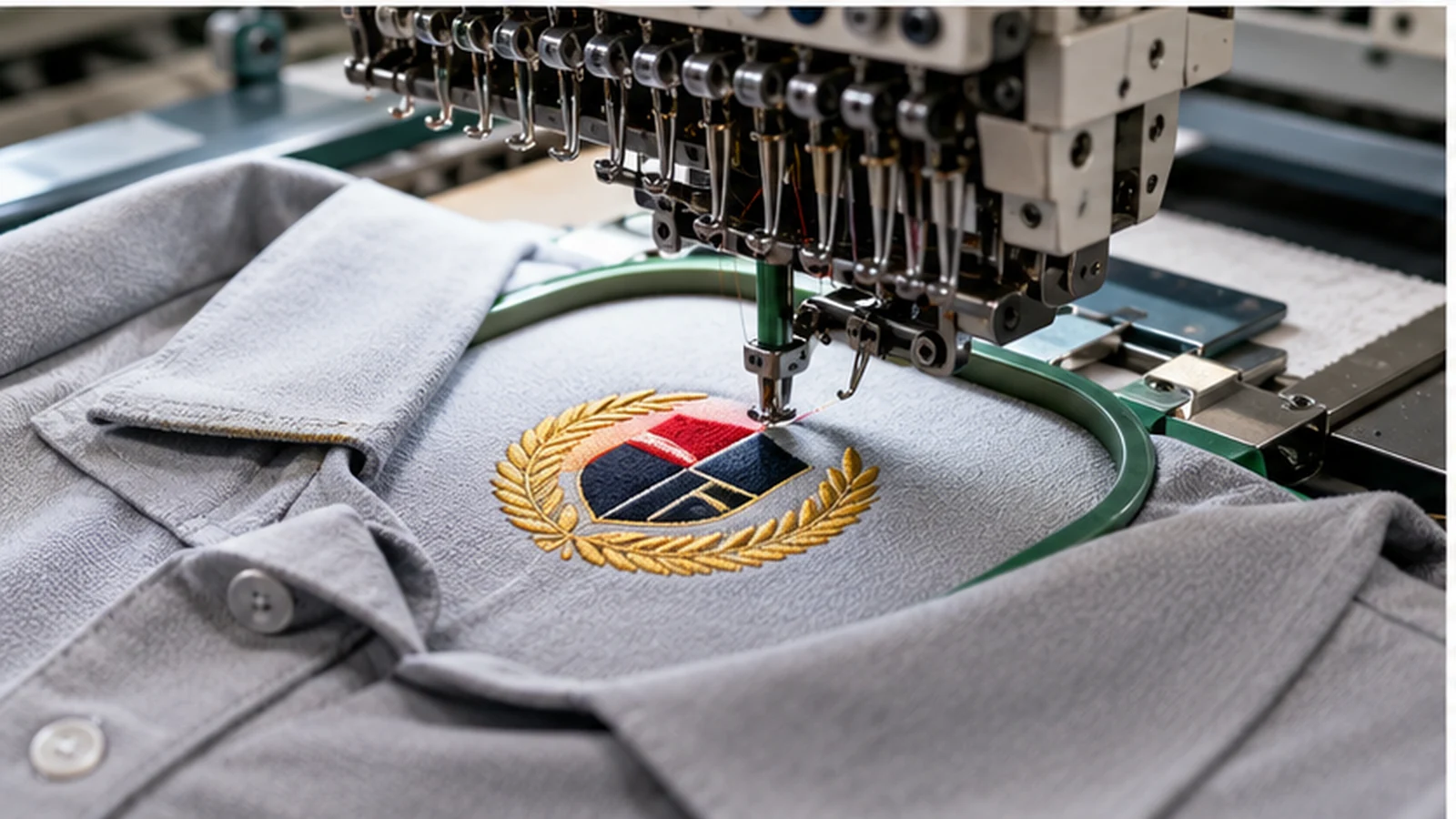
What backing actually does
Each needle penetration and thread pull places force on the garment. A soft knit can stretch in the hoop, then relax after release, making an apparently straight design pucker or distort. Backing supplies temporary or lasting support so the embroidery has a more stable surface while it is formed.
It is not merely a hidden accessory or a substitute for correct digitising. A design with excessive density may still distort even when backing is added.
Understand the main support choices
Cut-away backing remains behind the stitching and can give ongoing support on stretchier garments. Tear-away backing is removed around the finished design and is often considered for more stable fabrics when appropriate. Water-soluble topping sits on the face during sewing and can help prevent fine stitches from sinking into a pile or textured surface.
These are functional categories, not universal recipes. Thickness, layering, garment weight and wearer comfort matter; an unnecessarily stiff backing can leave a hard patch behind a soft polo.
| Scenario | Consideration | Practical Check |
|---|---|---|
| Stretch knit | Movement and distortion | Consider lasting stabilisation |
| Pique texture | Stitches sink between ribs | Test face topping if needed |
| Fleece / raised surface | Small detail loses definition | Assess topping and simplification |
| Lightweight fabric | Puckering or stiffness | Balance density and backing |
Watch for fabric-specific failures
Pique texture can interrupt narrow outlines; fleece may let small details disappear between raised fibres. Lightweight knits can show a halo or puckering around a dense mark. On the other hand, a heavy backing that stabilises a sample may feel unpleasant against the wearer’s skin if the decoration sits on the chest.
Inspect both the face and reverse of the sample. A photograph of only the front hides scratchy edges, loose backing or unwanted stitch-through.
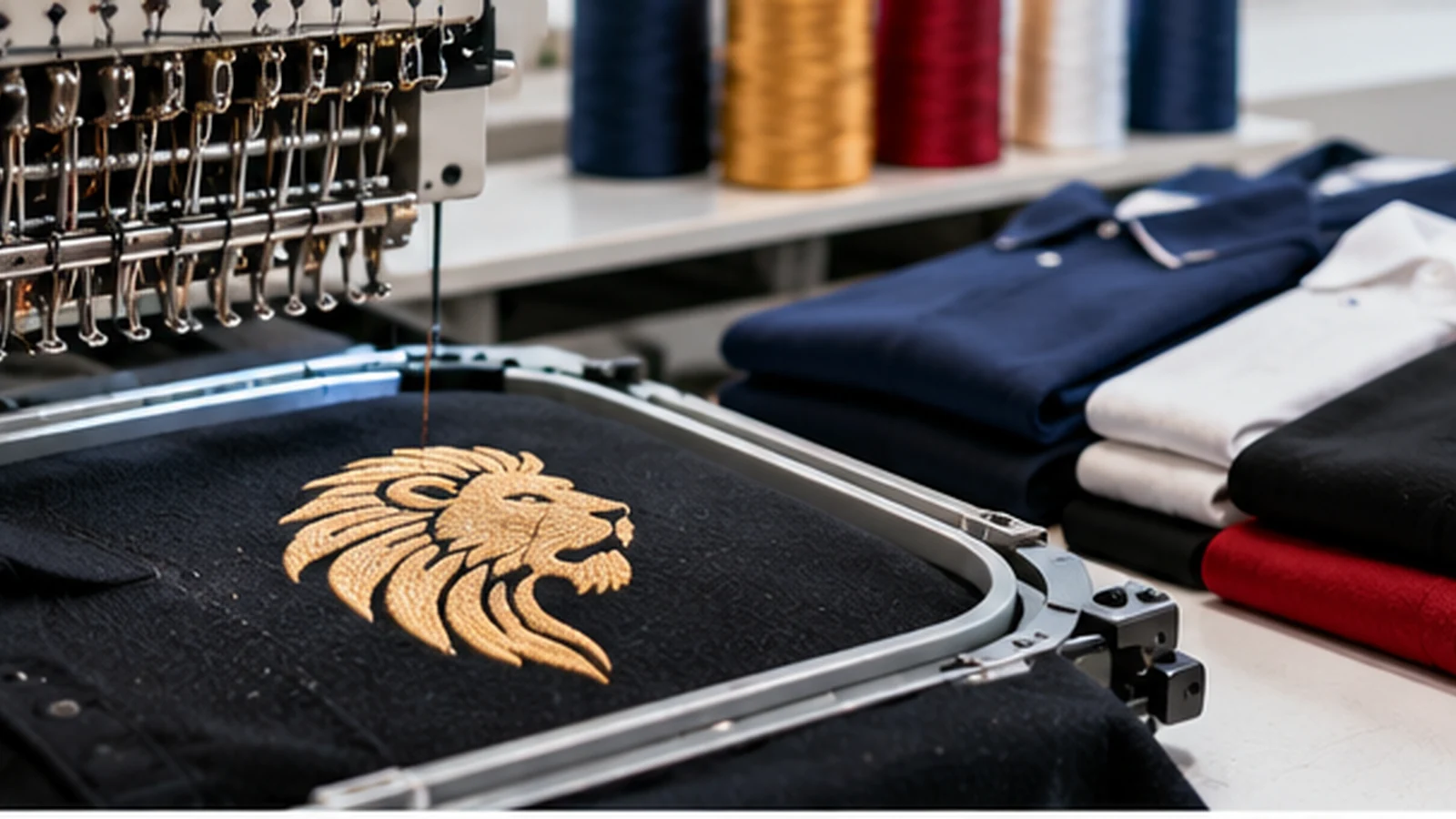
Approve the whole combination
Ask the supplier to test the actual garment colour and model, intended logo size, thread colours and backing approach together. After sewing, release the hoop and allow the fabric to relax before judging alignment. View the mark at normal distance and check the garment after a gentle wash according to its care label.
If the result fails, determine whether the issue is artwork complexity, stabilisation, hooping or fabric suitability. Increasing stitch count without diagnosis can make puckering worse.
Write the approval into the repeat-order record
Retain the approved logo width, placement, garment model and an actual sewn reference. If the fabric changes from smooth jersey to pique or fleece, treat that as a fresh production test rather than assuming the previous backing arrangement still works.
This is particularly relevant for mixed orders containing polos, sweatshirts and jackets: the same artwork can need different production settings on each surface.
Approve the stitched logo and its reverse side on the actual garment, not only the artwork preview.
Frequently Asked Questions
Is backing always removed?+
No. Some types are designed to remain behind the stitching.
Can topping fix very tiny text?+
It may help with texture, but cannot make physically unworkable detail readable.
Why does a logo pucker after hoop removal?+
Fabric tension, stitch density and stabilisation can interact; inspect the full setup.
Discuss Your Embroidery Project
Share your actual usage, samples and quantities with JCP so the production specification can be checked before ordering.
Request a Quotation