
Outdoor Workwear Planning During Hot, Dry and Hazy Conditions in Sarawak
Recent Sarawak reporting in late August and early September 2026 described prolonged hot, dry and hazy conditions. Malaysian DOSH guidance also identifies clothing insulation and bulky or non-breathable PPE as factors that can increase heat stress.
In This Article
Direct Answer
Review clothing insulation, direct-sun exposure, work rate, drying behaviour and PPE interaction. Workwear can reduce unnecessary thermal burden, but it should sit inside a broader heat and air-quality risk-management plan.

Use current conditions as a review trigger
Sarawak’s recent hot, dry and hazy periods create a practical reason to review outdoor workwear, especially for field, maintenance, construction and service teams. Map direct-sun duration, physical effort and required PPE rather than applying one garment to office and field roles. Conditions can change quickly, so clothing decisions should support—not replace—supervisory decisions about exposure. Observe what workers actually change during a hot shift. Rolled sleeves, improvised shirts and removed layers are signals worth investigating. Use those observations to improve the specification.
Reduce unnecessary insulation without weakening protection
DOSH heat-stress guidance identifies clothing insulation and bulky or non-breathable protective clothing as risk factors. The response is not to remove required PPE. Instead, reduce avoidable insulation beneath it and choose a base garment that works efficiently with protective layers. Check weight, fit, sleeve construction and drying after several hours of sweat. Where long sleeves are needed for sun or abrasion, preserve movement room and breathability. Test the complete system rather than judging the shirt by itself.
Separate heat planning from haze planning
Heat and haze can occur together but they are different hazards. Clothing influences thermal burden and sun exposure, while poor air quality may require separate operational controls and respiratory protection based on risk assessment. A long-sleeved uniform does not solve haze exposure. Likewise, respiratory PPE plus heavy clothing can add thermal burden that should be considered. Supervisors need clear triggers for modifying work or recovery. Procurement should support those controls without pretending a garment is an occupational-health programme.
Run a field trial and keep the approved reference
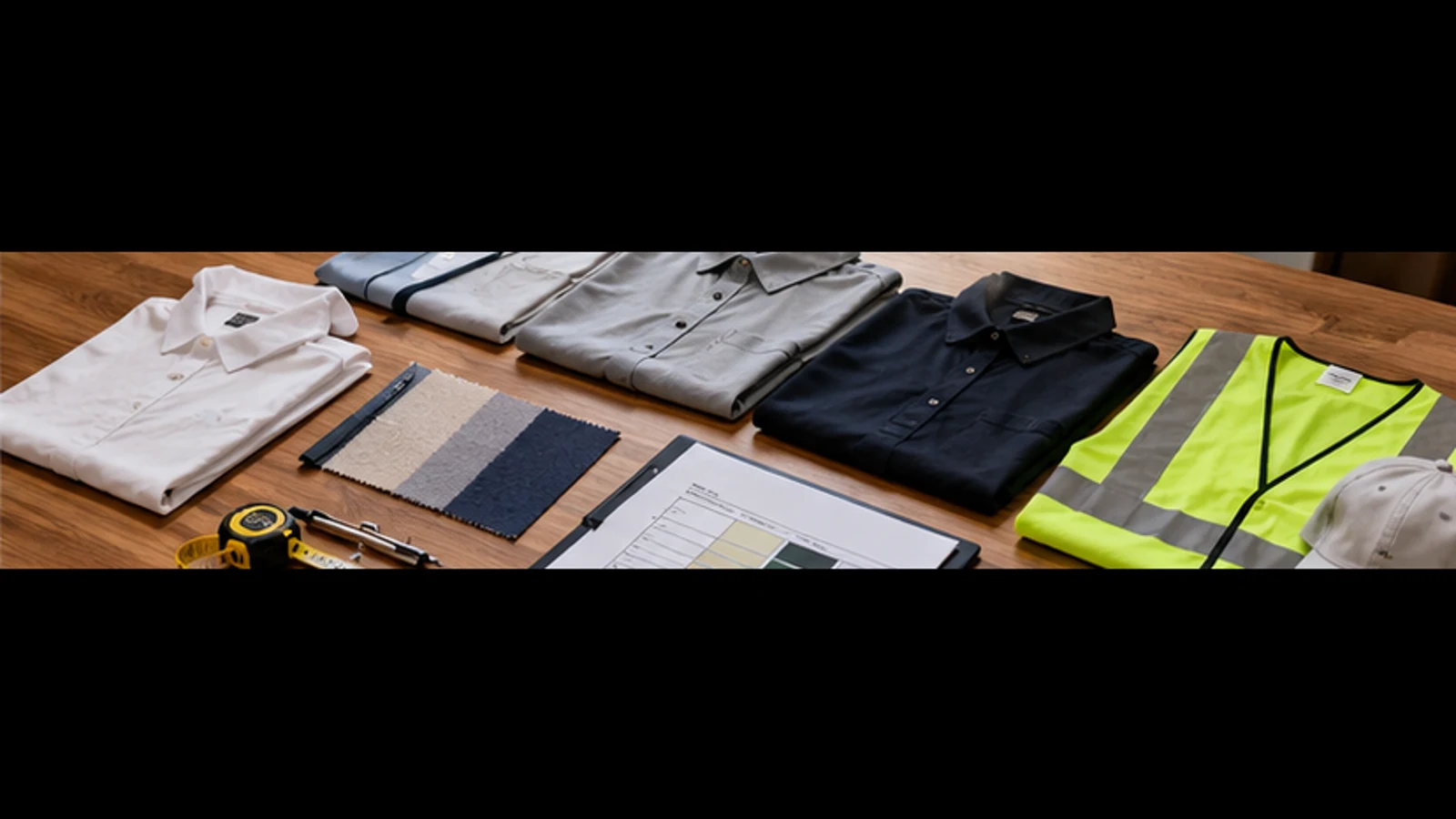
Issue samples to workers with different body sizes and have them perform normal tasks. Inspect garments late in the shift for cling, sweat retention, chafing and conflicts with vests or harnesses. Once a style works, keep an approved sample, colour reference, size chart and supplier code. That prevents later reorders from drifting toward a visually similar but materially different garment. Small changes in fabric or fit can change comfort enough to matter. Treat the approved garment as a controlled operational item, not just a colour choice.
| Planning area | What to verify |
|---|---|
| Use current conditions as a review trigger | Decision rule and operational check |
| Reduce unnecessary insulation without weakening protection | Failure mode and control |
| Separate heat planning from haze planning | Decision rule and operational check |
| Run a field trial and keep the approved reference | Failure mode and control |
Make the specification measurable, test it in the real operating environment, and keep the approved reference for the next reorder.
Frequently Asked Questions
Should we test before a full run?+
Yes. A production-size sample exposes fit, handling, adhesion or durability problems that are easy to miss on screen.
What should be kept for reorders?+
Keep the approved specification, artwork version, supplier reference and a physical control sample where practical.
Is the lowest unit price the best buying decision?+
Not necessarily. Include replacement risk, obsolete stock, reprint frequency and operational failure in the total cost.
Need Help With the Production Specification?
JCP can help with relevant garment, print, label or business-print production when you are ready to turn the specification into an order.
Discuss Your Requirements