
Fabric Pilling on Staff Uniforms: What It Means and How to Reduce It
Small fibre balls on a polo or sweatshirt can make a uniform look old before the garment is structurally worn out. Pilling is mainly an abrasion-and-fibre issue, so the useful response is to identify where friction occurs and whether care, fabric choice or the job itself is accelerating it.
In This Article
Direct Answer
Pilling forms when loose fibres work to the fabric surface, tangle and remain attached as small balls. Look at where pilling appears first. Concentration under bag straps, at the waist or beside a counter often points to repeated abrasion rather than a whole-garment problem.
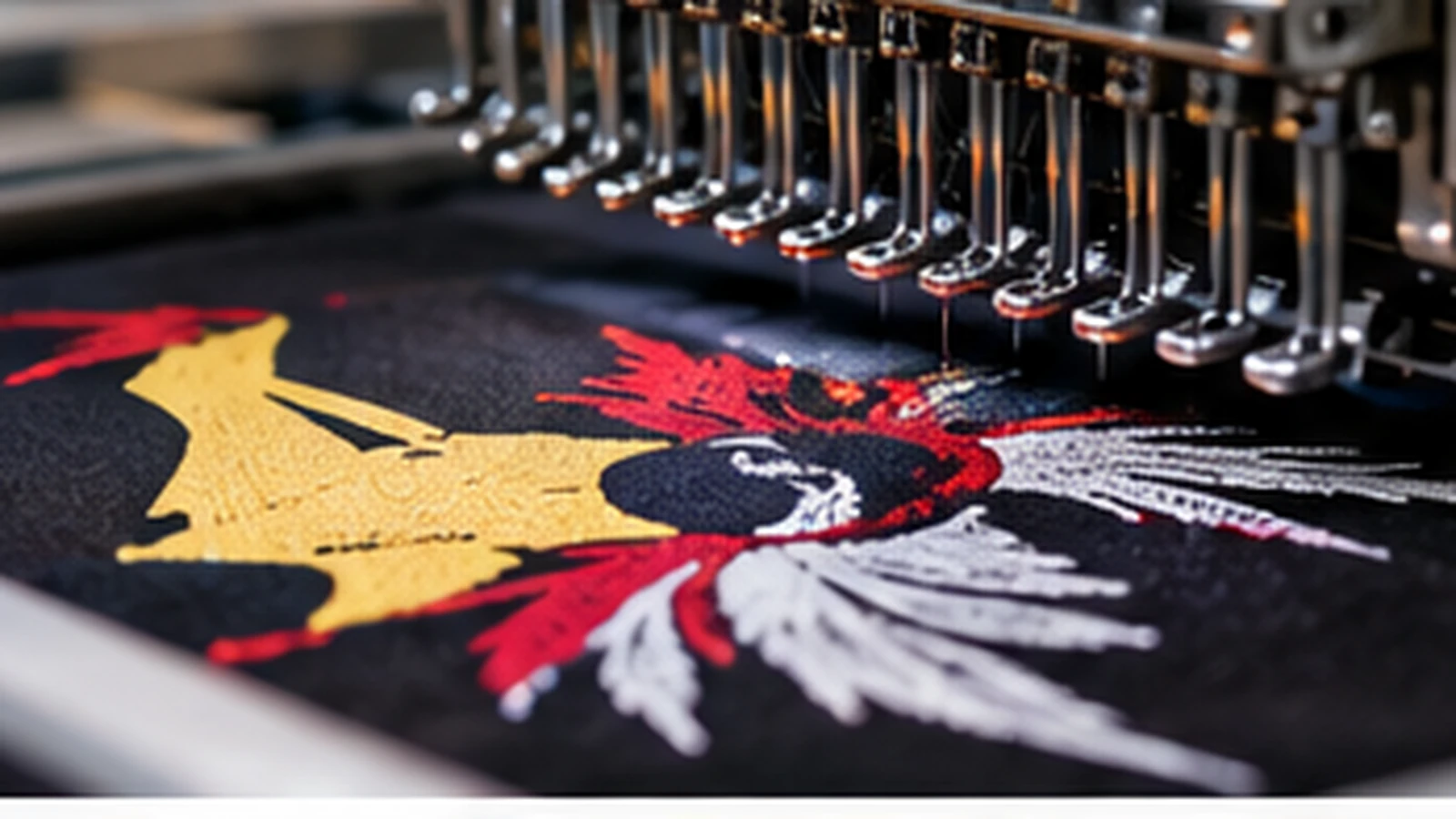
Map the Pilling Before Blaming the Fabric
Photograph several affected uniforms and mark the locations. If nearly every shirt pills across the same broad area after similar wear, fabric construction and laundering deserve investigation. If only one shoulder pills, the employee's bag strap or equipment may be the main friction source.
This distinction matters because replacing the shirt with an identical one will not solve a workplace abrasion point.
Laundry Can Add Repeated Friction
Overloading a washer, mixing uniforms with rough fasteners or washing garments with hook-and-loop closures exposed can increase mechanical rubbing. Follow the care label, close zips or abrasive fasteners where appropriate, and separate items that repeatedly catch the uniform surface.
Heat and aggressive chemistry can also shorten garment life in other ways. The aim is not an elaborate laundry ritual; it is a consistent process that avoids unnecessary stress.
| Pilling Pattern | Likely Clue | Next Check |
|---|---|---|
| One shoulder | Bag / equipment friction | Strap contact |
| Waist area | Counter, belt or apron rubbing | Workstation contact |
| Broad garment surface | Fabric / laundering interaction | Wash routine and wear trial |
| Only a few staff | Individual equipment or care | Compare routines |
Compare Fabric Construction for the Role
A customer-facing polo, warehouse shirt and fleece jacket face different abrasion. Smooth surfaces may show less snagging in some jobs, while certain soft or brushed fabrics can develop visible pills more readily under friction.
When evaluating a replacement garment, do a wear trial with the actual job. A sample worn for several shifts around counters, belts, aprons or safety equipment gives more useful information than touching a fresh fabric swatch.
Treat Removal as Cosmetic Maintenance, Not a Cure
A fabric shaver can improve appearance on some garments, but careless use can thin or damage the surface. Removing pills also does not stop the friction that created them. If the same area quickly returns, fix the contact point or review the garment specification.
For branded uniforms, inspect embroidery and printed areas carefully before using any mechanical de-pilling tool nearby.
Set an Appearance Standard
Some pilling is cosmetic and does not mean the garment has failed structurally. For front-of-house teams, however, visible surface wear may reach the replacement threshold earlier than for workshop or back-of-house clothing.
Define that threshold by role so supervisors are not making inconsistent replacement decisions from person to person.
Pilling is evidence of friction. The location often tells you more than the age of the shirt.
Frequently Asked Questions
Does pilling mean the fabric is low quality?+
Not by itself. Fibre type, construction, friction and care all influence pilling.
Can pilling be prevented completely?+
Not in every use case, but reducing unnecessary abrasion and selecting a suitable fabric can improve appearance retention.
Should pilled uniforms be replaced immediately?+
Use the appearance standard for the role. Light pilling may be cosmetic, while customer-facing garments may need earlier replacement.
Reviewing Uniform Durability?
JCP can help compare ready-made garment options when repeated wear is exposing a mismatch between fabric and job conditions.
Compare Uniform Options