
Windbreakers for Mobile Teams: Beyond the Company Logo
Choose practical windbreakers for mobile staff by checking shell material, hood, zippers, pocket layout, care and fit over uniforms.
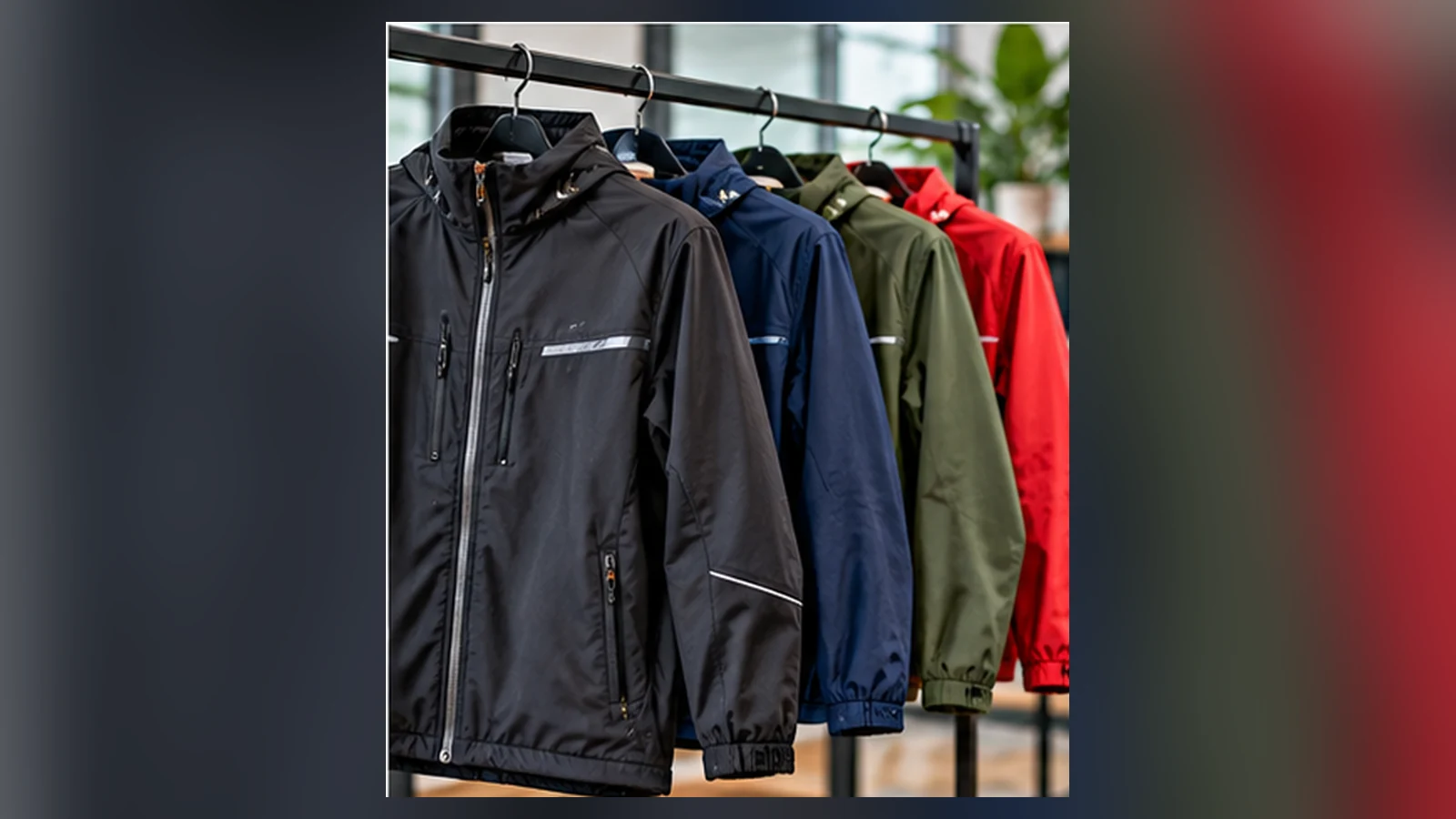
A lightweight windbreaker is a useful extra layer for staff who travel between buildings, attend site visits or move through changing weather. Yet not every jacket described as a windbreaker performs the same way. Some fabrics block breezes but offer little meaningful rain protection, while others may have coatings or construction intended to resist light showers. For Sarawak teams, the purchase decision should be grounded in the employee's actual movements and workplace conditions.
A smart colour and printed logo can make a jacket look convincing in a mockup, but everyday details determine whether it earns a place in the uniform kit. A hood that obstructs side vision, a difficult zipper or pockets that cannot accommodate daily essentials can frustrate staff. Treat branding as one part of the selection rather than the entire specification.
Distinguish wind resistance from rain protection
The words windproof, water-resistant and waterproof are not interchangeable. Fabric treatment, seam sealing, design and testing determine real performance, and marketing descriptions should be checked against stated specifications. A lightweight jacket may be suitable for brief movement in mild weather without being appropriate for prolonged heavy rain. Avoid assuming a shiny surface or a hood automatically means the garment is fully waterproof.
Ask the supplier what is actually being claimed, whether test information is available and how care affects performance. Where people work in genuinely hazardous or severe conditions, company safety requirements take priority over ordinary promotional outerwear. An everyday branded jacket should not be substituted for task-specific protective clothing without the appropriate assessment.
Check the hood, collar and closures
A stand collar can protect the neck from breeze but may feel restrictive when worn over another collared shirt. Hidden or detachable hoods can give a neater corporate appearance, although they add complexity and should be tried on. Check whether the hood fits without blocking peripheral vision. A full front zip makes the garment easy to remove, but the pull and flap should be easy to handle during routine movement.
Look closely at sleeve cuffs and hem adjustment. Excessively tight elastic can feel uncomfortable, while loose sleeves may catch when carrying tools or equipment. Pocket openings should be accessible when a staff member wears a lanyard or shoulder bag. These practical observations often matter more than small decorative piping details when a jacket is used daily.
Fit it over the existing uniform
Jacket sizing should be confirmed over the shirt employees will actually wear. A windbreaker that fits neatly over a thin tee may be too tight over a polo or woven corporate shirt. During a fit check, ask a wearer to sit, reach, zip the garment fully and move their arms forward. The back should allow comfortable movement, and the hem should not ride excessively during common tasks.
Think about how a jacket interacts with ID cards and safety accessories. Some employees need a visible ID or high-visibility clothing that must remain unobstructed. A neat logo position is valuable, but it should not interfere with required identification or equipment. JCP's ready-made garment range contains multiple jacket constructions that can serve as starting points for specification comparisons.
Choose durable decoration with the shell in mind
Lightweight technical fabrics can react differently to heat and needle penetration. A large transfer may change the feel or drape of a thin shell, while direct embroidery can require appropriate backing and may affect certain coatings. Ask which methods are compatible with the exact garment, then approve a sample before placing a substantial order. Do not apply generic transfer temperatures or care advice across different fabric systems.
Consider logo size on both zipped and unzipped positions. Small chest branding may read well during face-to-face interactions, while a large back mark may be useful when a team is viewed from behind. Keep decoration restrained where the jacket is intended to be worn in formal settings. The JCP apparel-printing overview and Uniform Sarawak can help frame a conversation about shell-safe branding and repeat orders.
Jacket enquiry details worth preparing
- Main use: commuting, short outdoor visits, indoor storage or light weather exposure.
- Required performance claims and any workplace PPE restrictions.
- Hood, collar, cuff, pocket and zip preferences.
- Layering sizes, fit samples and existing uniform colours.
- Decoration method, placement, washing and replacement plans.
Plan cleaning and maintenance before buying
Windbreakers are often worn repeatedly between washes, especially when used for short trips outside an office. Ask how the garment should be cleaned and whether water-repellent finishes need particular care. Some coatings can change with washing and wear. Never assume that a jacket's original performance will remain unchanged throughout its lifetime; follow the maker's instructions and review any performance claims if weather protection is essential.
The logo needs care planning as well. A transfer that works well when new may behave differently if repeatedly exposed to unsuitable heat. Staff should receive clear label-based instructions, not copied advice from another jacket brand. Keep a small sample as a reference when evaluating replacement garments so supervisors can identify changes in shell feel, hardware and branding quality.
Decide where and when the jacket may be worn
Uniform policies should distinguish a company windbreaker from required high-visibility or certified protective gear. If employees visit active worksites, they must follow site-specific PPE rules even when wearing branded clothing. Clarify whether jackets are for commuting, client visits or operational tasks. That will determine whether the priority is a neat silhouette, functional storage or compatibility with other safety equipment.
Some staff may need access to a phone, visitor pass or work permit while wearing the jacket. Trial those accessories together so a pocket or zip does not become inconvenient. Record any role-specific requirements in the final specification. By planning for these practical situations, the company can avoid distributing identical jackets that only half the team finds useful.
Common questions
Are all windbreakers waterproof?
No. Wind resistance, water resistance and waterproof performance are different properties. Check the exact product's stated capabilities and limits.
Can a logo be heat-pressed onto any windbreaker?
Not safely on every shell. Coatings and fabric composition influence heat compatibility. Supplier testing and a sample approval are essential.
Should staff order one size larger than their polo?
Not automatically. Test the garment over the polo; allowances vary by jacket design and brand.