
Flyer Paper Weight: Choose It by Distribution Method
The heaviest flyer is not automatically the most useful flyer. Paper weight should match how the piece is distributed, folded, inserted, carried and discarded, because those handling steps determine whether extra stiffness adds value or simply adds cost and bulk.
In This Article
Direct Answer
Start with the distribution route. A handout that must feel substantial, an insert that must fit inside an envelope and a large-volume leaflet drop have different paper requirements, even when the artwork dimensions are identical.
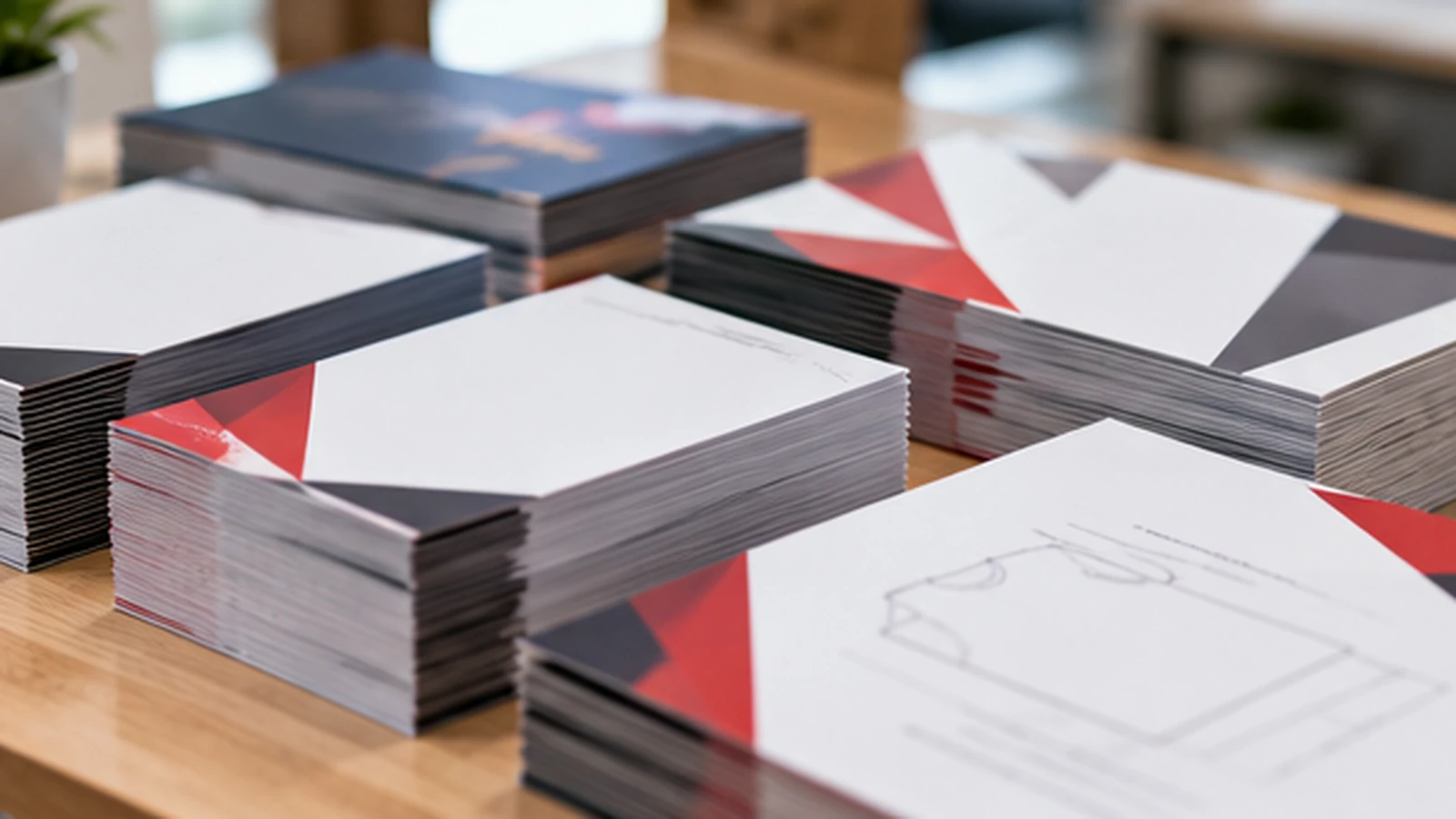
For Handouts, Feel and One-Hand Use Matter
A very light sheet can curl or fold in the hand, especially at larger sizes. A somewhat heavier stock feels more deliberate and is easier to hold flat while someone reads it standing up.
However, once paper becomes too stiff, a large flyer can feel more like a card and may be awkward to carry. Test the finished size, not just the GSM number, because an A5 sheet and an A4 sheet feel different at the same paper weight.
For Inserts, Thickness Accumulates
If the flyer goes into an envelope, product pack, folder or welcome kit, every extra fraction of thickness adds to the final pack. Ten inserts that are each slightly heavier can make the pack bulky, affect postage or cause a folder to bow.
Make a physical dummy with the real number of pieces. This catches problems that a paper specification sheet cannot show, especially when several printed items are combined in one pack.
| Distribution Method | Priority | Paper Consideration |
|---|---|---|
| Hand-to-hand | Feel and flatness | Enough stiffness to read easily |
| Envelope insert | Pack thickness | Avoid unnecessary bulk |
| Folded leaflet | Fold quality | Test scoring and cracking |
| High-volume drop | Weight and cost | Use adequate, not excessive, stock |
For Folded Flyers, Test the Fold
Heavier coated paper can resist a tight fold and may show cracking along the spine if it is folded without suitable scoring. The risk becomes more visible when heavy ink coverage crosses the fold line.
If the design is folded, request a finished mock-up or production sample. The correct decision depends on paper, grain direction, coating, fold type and print coverage rather than GSM alone.
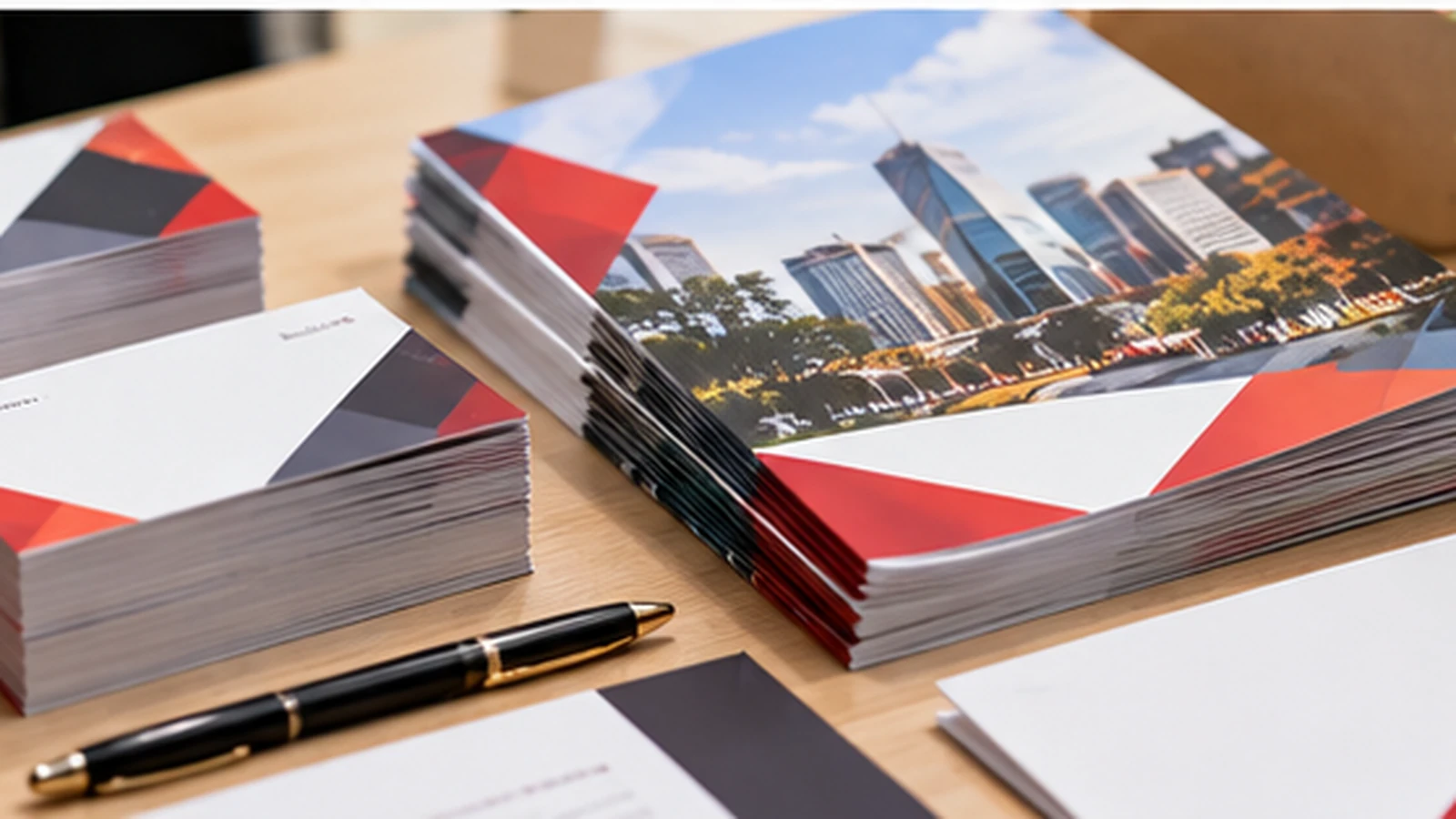
For High-Volume Distribution, Calculate the Total
Small differences become meaningful at scale. If two paper options differ by only a few grams per sheet, the total handling weight across thousands of flyers can still change carton count, transport effort and storage space.
Choose the lightest stock that still performs adequately for the intended handling. That is a more useful buying rule than selecting the thickest option within budget.
Choose flyer paper from the handling path, not from the GSM number alone.
Frequently Asked Questions
Is thicker paper always more premium?+
It can feel more substantial, but it may also be bulky or difficult to fold.
Why should folded flyers be tested?+
Paper, coating and print coverage can affect how cleanly a heavier sheet folds.
Can I use one paper weight for every campaign?+
You can, but different distribution methods may justify different specifications.
Planning a Flyer Print Run?
JCP can help match finished size, paper choice and finishing to the way your flyers will actually be distributed.
Discuss Flyer Printing