
Sarawak’s October Thunderstorms: Planning Uniform Layers for Indoor-Outdoor Staff
METMalaysia’s Sarawak forecast for 12–18 October 2026 shows maximum temperatures around 34°C and repeated afternoon thunderstorm potential, especially over inland areas. For teams moving between vehicles, shops, offices and outdoor sites, drying speed and a practical change-of-layer plan matter as much as the shirt’s appearance.
In This Article
Start With the Actual Sarawak Work Route
Prioritise Drying and Changeability for Wet-Hot Conditions
A Spare-Shirt Rule Can Be More Useful Than a Heavy Outer Layer
Use Outer Layers for Specific Exposure, Not as a Default
Standardise the System Across Branches Without Ignoring Local Use
Frequently Asked Questions
Direct Answer
Plan the uniform around changes in exposure rather than one fixed temperature. Use a base garment that can handle heat and perspiration, keep a light outer layer or rain option for roles that genuinely need it, and build spare-shirt rotation into jobs where staff may stay damp for hours.
Start With the Actual Sarawak Work Route
METMalaysia’s state forecast for 12–18 October lists maximum temperatures of about 34°C and isolated thunderstorms over inland areas on several days. The Kuching district forecast for the same period also shows afternoon thunderstorm potential on multiple days. These are useful planning signals, but Sarawak teams can cover very different environments within the same day.
A staff member based in an air-conditioned Kuching showroom has a different exposure pattern from a technician travelling between outdoor sites, a delivery team or a branch employee moving between covered and open areas. Write down the route and work duration before choosing fabric and layers.
Prioritise Drying and Changeability for Wet-Hot Conditions
When a shirt becomes damp from perspiration or a short rain event, the practical question is how long the wearer remains uncomfortable afterward. Performance polyester and microfiber options usually dry faster than absorbent cotton, which can be useful for mobile or active roles. That does not automatically make them preferable for every office role, where softness, drape and appearance may carry more weight.
Compare candidate garments after actual wear. Check whether the fabric holds odour, clings when wet, dries during a normal break and still looks presentable when the employee returns indoors.
| Role Pattern | Base Garment Focus | Operational Add-On |
|---|---|---|
| Indoor retail/office | Comfort, collar shape, brand appearance | Optional light layer for cold interiors |
| Mobile field role | Quick drying and movement | Spare shirt + role-specific rain protection |
| Delivery/driver | Drying speed and easy care | Dry spare stored in vehicle/branch |
| Site role with PPE | Compatibility with safety requirements | Outer layer only if it does not interfere |
A Spare-Shirt Rule Can Be More Useful Than a Heavy Outer Layer
For staff who may get wet but cannot work comfortably in a rain shell all day, one controlled spare shirt can be a practical part of the uniform issue. This is especially relevant for drivers, field coordinators and employees who spend long hours away from a central office. The spare should be stored clean and dry in a vehicle locker, branch or personal work bag according to the role.
The business then needs an issue and laundry rule so spare garments do not become untracked extras. A simple rotation can solve comfort without turning every uniform into heavy all-weather workwear.
Use Outer Layers for Specific Exposure, Not as a Default
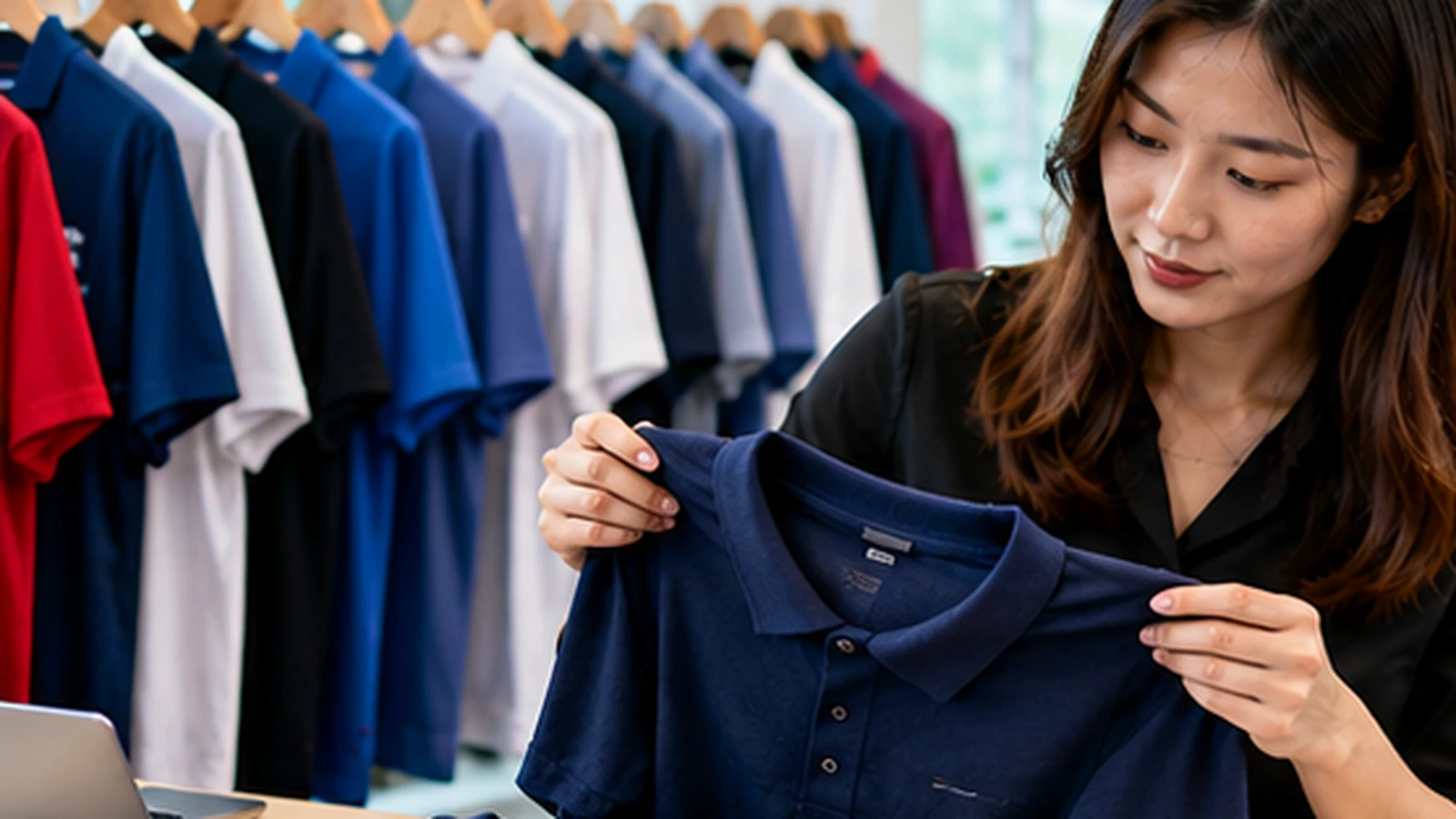
A lightweight jacket can help during long air-conditioned periods or early-morning travel, while a dedicated rain layer is more suitable for genuine weather exposure. These pieces should be selected separately because warmth, wind resistance and rain protection are different functions.
If the role already uses safety garments or site-specific PPE, do not let a branded layer interfere with those requirements. Branding should fit around the operational equipment, not replace it.
Standardise the System Across Branches Without Ignoring Local Use
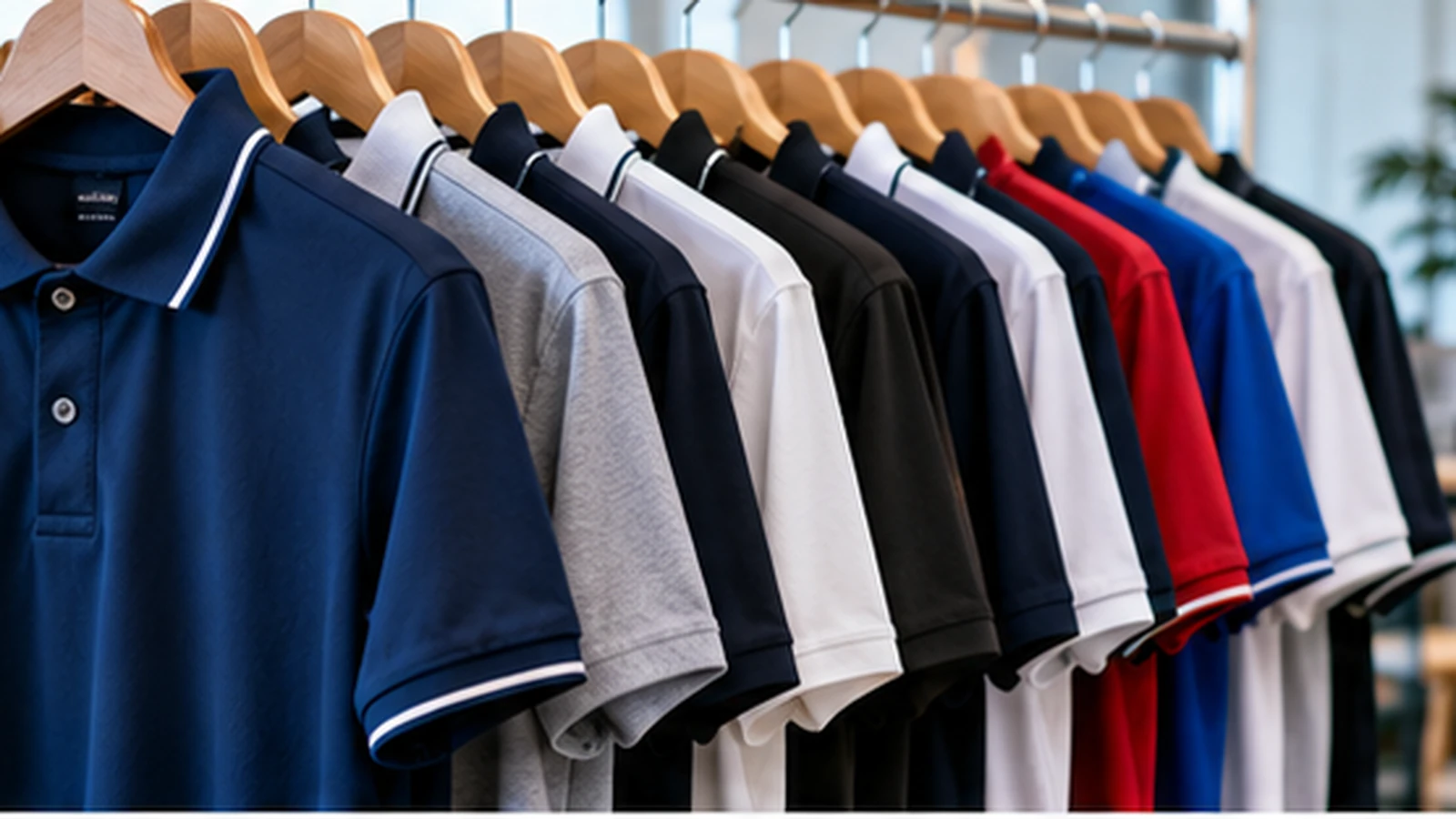
A company can keep the same base polo colour and logo across Sarawak while allowing role-based differences in outer layer or spare quantity. This preserves brand consistency without pretending that every branch and job has identical exposure. Record the base garment, approved outer layer and issue quantity by role.
When the system is reordered, review whether the garments actually solved the wet-hot problem. Complaints about slow drying, persistent dampness or unused jackets are evidence that the issue specification should change.
Current local references: METMalaysia Sarawak state forecast and METMalaysia Kuching district forecast, accessed for 12–18 October 2026.
In Sarawak’s wet-hot conditions, comfort often comes from a base garment plus a spare or role-specific layer—not from making the everyday shirt heavier.
Frequently Asked Questions
What does METMalaysia forecast for Sarawak this week?+
The 12–18 October 2026 state forecast shows maximum temperatures around 34°C and repeated isolated thunderstorm potential, especially over inland areas.
Is one spare shirt enough for every role?+
No. The issue quantity should reflect how often the employee gets wet, access to laundry and how long the shift keeps them away from a base location.
Should a branded jacket replace rain PPE?+
No. A uniform layer and required protective equipment serve different purposes and should be specified separately.
Planning Indoor-Outdoor Uniforms in Sarawak?
UniformSarawak.com can help compare ready-made polos, performance shirts and lightweight outerwear for different work patterns.